

 0
0
 0
0
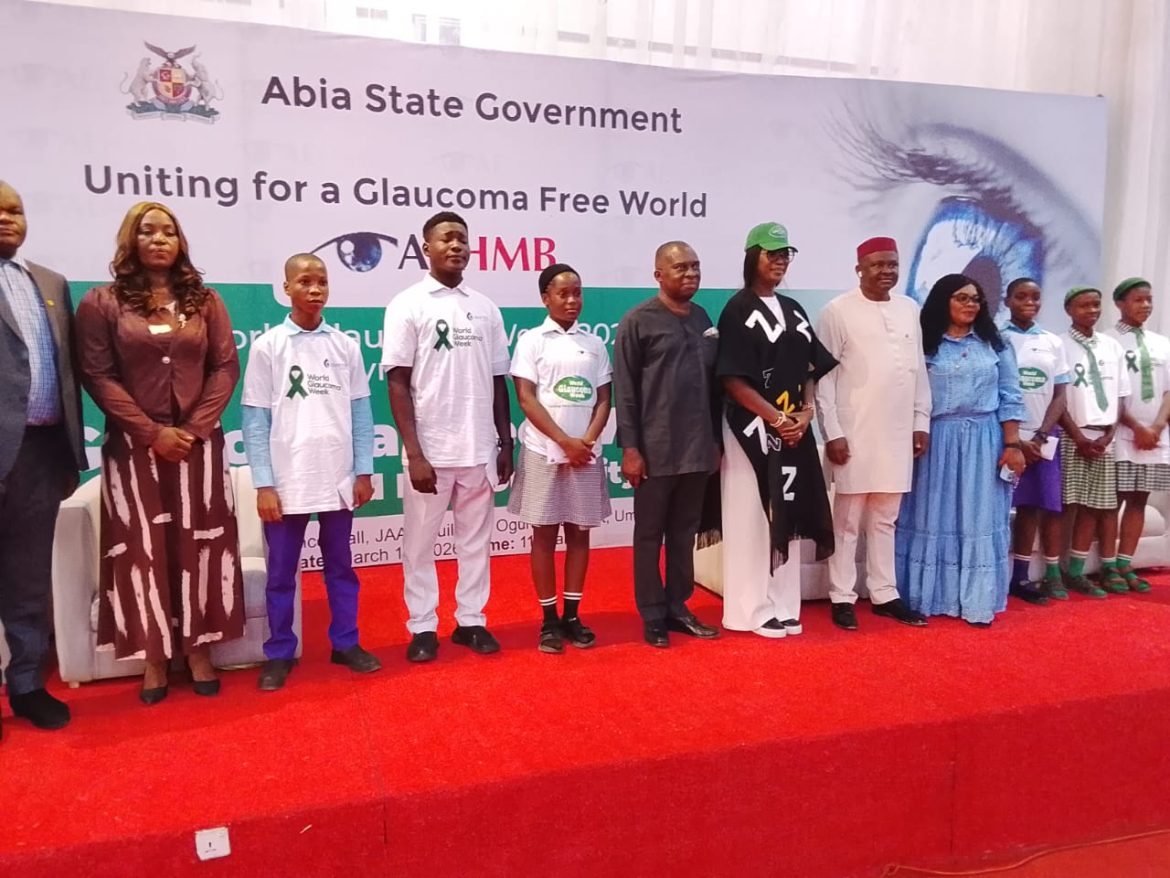
Abia healthcare WHO standards compliance is being strengthened as the state government says it is upgrading eye care and other medical facilities to meet guidelines set by the World Health Organization.
Governor Alex Otti revealed that the initiative forms part of ongoing efforts by his administration to improve healthcare delivery across the state.
The governor made the disclosure in Umuahia while highlighting progress made in strengthening eye care services and expanding access to medical treatment.

Government Upgrading Healthcare Facilities
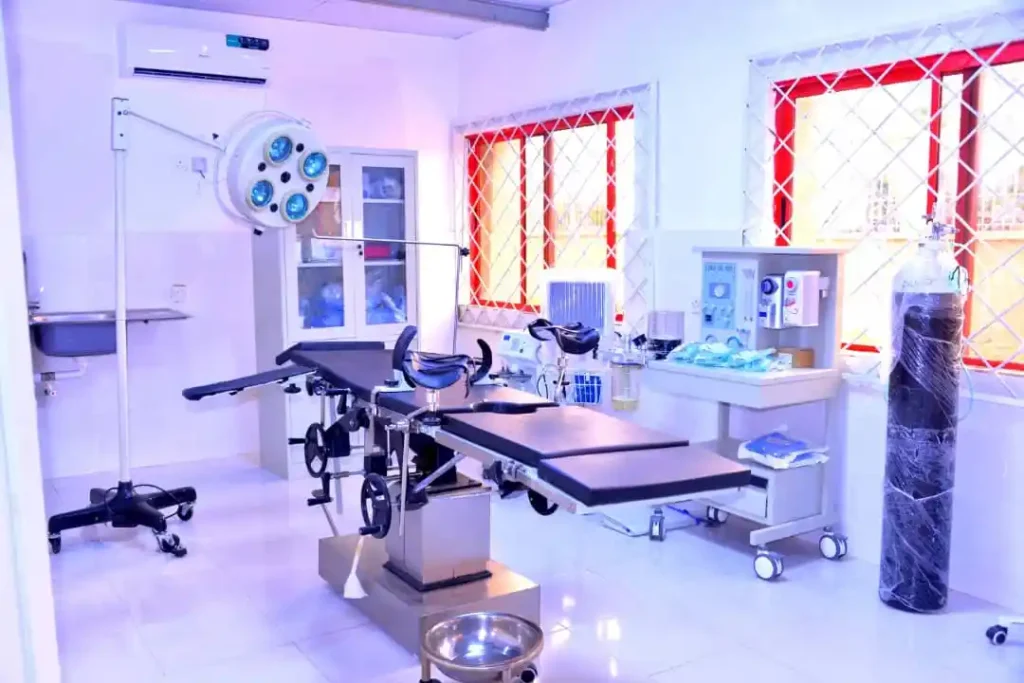
The Abia healthcare WHO standards initiative involves upgrading health facilities, particularly those offering eye care services.
Governor Otti, who was represented by the Abia State Commissioner for Health, Enoch Uche, said the government is focusing on improving the screening and treatment of glaucoma.
He noted that healthcare facilities across the state are being upgraded to ensure that residents can easily access quality eye care services.
The commissioner encouraged members of the public to visit medical facilities to check their eye health and receive early treatment where necessary.
Thousands of Glaucoma Cases Recorded
The Abia healthcare WHO standards push comes as authorities revealed a significant number of glaucoma cases in the state.
According to the Administrator of the Abia Eye Health Management Bureau, Betty Emeka-Obasi, the bureau has confirmed 6,381 glaucoma cases between 2024 and 2026.
However, she warned that the actual number may be much higher because many people with the condition do not seek medical diagnosis.
Causes of Underreporting
Emeka-Obasi attributed the low rate of diagnosis to several factors, including:
-
Illiteracy in rural communities
-
Limited awareness of eye health conditions
-
The activities of unqualified medical practitioners
She stressed that improving awareness and encouraging people to undergo regular eye checks would help detect cases earlier.

Glaucoma Remains a Major Health Challenge
The bureau also warned that glaucoma continues to pose a serious health challenge in Nigeria.
According to Emeka-Obasi, the disease is a leading cause of irreversible blindness, affecting millions of people across the country.
She added that Africa carries the highest global burden of glaucoma, making it an urgent public health concern.
Experts often describe glaucoma as a “silent epidemic” because many patients do not experience symptoms until the disease has already caused severe vision damage.
Progress in Abia’s Eye Health Services
Officials say the Abia healthcare WHO standards project has already produced measurable results in the state’s healthcare sector.
According to the Abia Eye Health Management Bureau, the government has made several improvements in eye health services.
Upgraded Eye Care Centres
Authorities disclosed that four public eye health centres in the state have been upgraded to improve treatment capacity.
Thousands of Patients Treated
Healthcare providers have also delivered medical care to thousands of residents.
Statistics released by the bureau show that:
-
Over 20,500 patients have received treatment
-
More than 13,500 free eye screenings have been conducted
-
Over 2,000 sight-restoring surgeries have been successfully carried out
Officials say these interventions are helping to prevent avoidable blindness among residents.
Expansion of Eye Care Access
As part of the Abia healthcare WHO standards initiative, the state government has expanded eye care services within the primary healthcare system.
Authorities revealed that 10 new eye care centres have been established across primary healthcare facilities.
The expansion is designed to:
-
Improve access to eye care in rural communities
-
Increase early diagnosis of eye diseases
-
Provide timely treatment for patients
Health officials say this strategy will ensure that more people can receive medical care close to their communities.
Executive Order Established Eye Health Bureau
Officials also highlighted the role of Governor Alex Otti in strengthening eye health services.
The governor signed an Executive Order in July 2024 establishing the Abia Eye Health Management Bureau.
The bureau was created to coordinate eye care programs and reduce preventable vision loss in the state.
According to health authorities, the goal is to prevent avoidable sight loss and improve the overall health of residents.
Government Calls for Stakeholder Collaboration
Health officials stressed that tackling glaucoma and other eye diseases requires collaboration among multiple stakeholders.
They called on:
-
Healthcare professionals
-
Community leaders
-
Non-governmental organisations
-
Public health institutions
to work together to address what they described as a growing eye health challenge.
Conclusion
The Abia healthcare WHO standards initiative highlights the state government’s efforts to strengthen healthcare infrastructure and improve eye care services. With thousands of glaucoma cases already recorded, authorities say upgrading facilities, expanding screening programmes, and increasing awareness will be critical in preventing avoidable blindness and improving public health across Abia State.


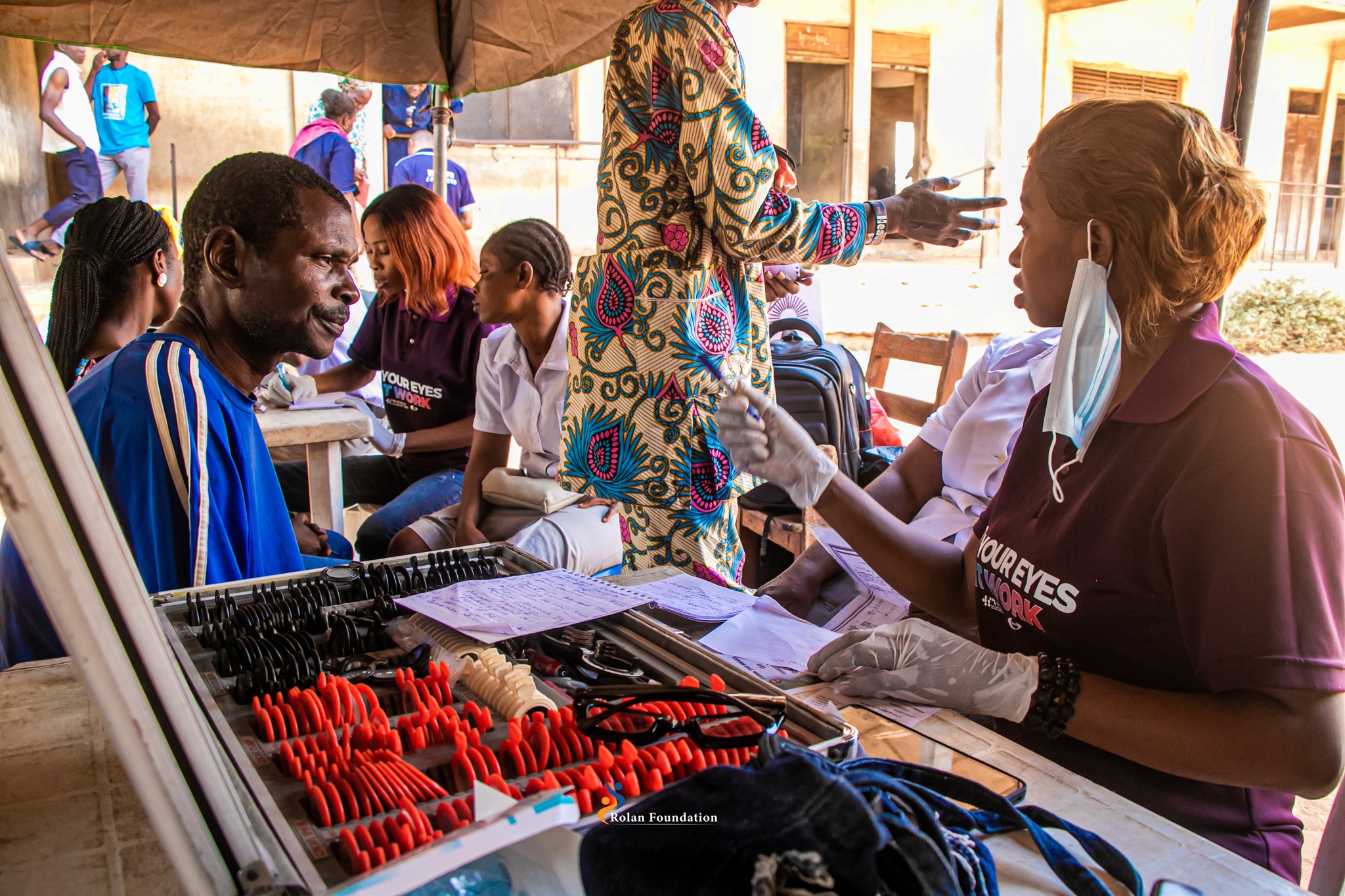
[…] Rolan Foundation free eye care Ibadan 2026 programme was designed to serve at least 500 beneficiaries during the outreach. By the […]