0
0
 0
0
Nigerian music has changed over time, but its roots remain strong. Afrobeat, created by Fela Anikulapo Kuti, laid the foundation for what later became Afrobeats, the global sound popular today.
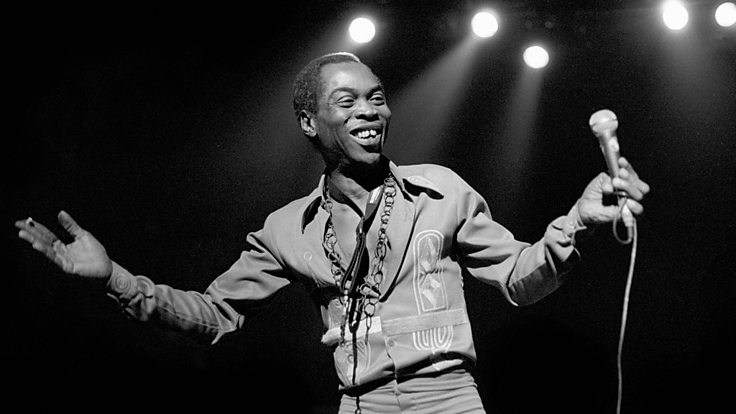
Understanding this journey helps explain why debates about legacy, influence, and originality continue in Nigerian music.
A Defining Moment in Nigerian History
In February 1976, Nigeria witnessed a dark moment. Soldiers attacked the home of Fela Anikulapo Kuti in Lagos. The assault destroyed property, injured residents, and led to the death of his elderly mother.
The event shaped public awareness of Fela as more than a musician. He became a symbol of resistance, culture, and political expression. His music reflected struggle, identity, and freedom.
Birth of Afrobeat
Afrobeat did not emerge by chance. Fela created a new sound by blending highlife, jazz, funk, and African rhythms. He used heavy percussion, layered guitars, and powerful horn sections.
Music producers at the time described Afrobeat as something new and unfamiliar. Fela introduced multiple guitars into his band, unlike traditional highlife groups that used fewer instruments.
This sound later influenced juju music and other Nigerian genres.
Afrobeat and Social Activism
Fela used music as a weapon against injustice. His songs spoke about corruption, military rule, and social inequality. This made him unpopular with authorities but respected by the public.
Record labels often avoided him due to disputes over royalties and contracts. Despite this, his influence continued to grow across Africa and beyond.
Afrobeats and the Modern Era
Afrobeats is different from Afrobeat. It reflects a modern blend of pop, hip hop, R&B, and African rhythms. Artists like Wizkid helped take this sound global.
Afrobeats focuses more on melody, lifestyle, and international appeal. While it draws inspiration from Afrobeat, it does not carry the same political weight.
Comparing Fela and Wizkid
Fela created a genre. Wizkid represents its evolution. Comparing both directly ignores their different eras and purposes.
Fela used music to challenge power. Wizkid uses music to connect cultures. Both play important roles in Nigerian music history.
Legacy and Influence
Afrobeat remains a foundation of African music. Afrobeats continues to expand its reach worldwide. Each generation adds its voice while building on the past.
Understanding this history helps place current debates in context. Nigerian music thrives because it continues to evolve without forgetting its roots.