0
0
 0
0
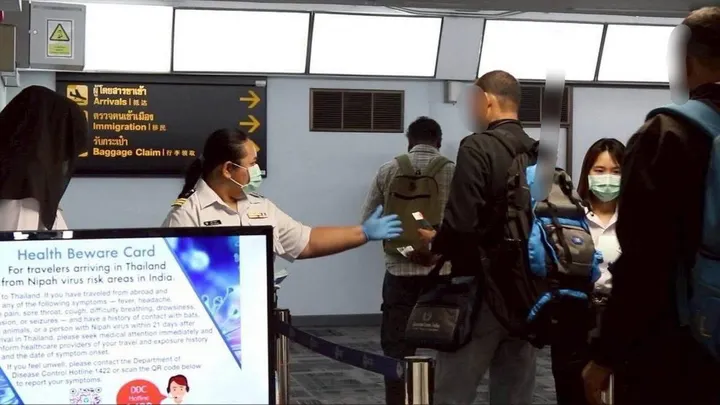
Airports across Asia have reintroduced COVID-style health screenings after cases of the deadly Nipah virus were detected in West Bengal, India. The virus, which can spread from animals to humans, poses serious health risks, including brain infections and death.
Nipah Virus Cases and Spread
India’s National Center for Disease Control confirmed that the outbreak is limited to two districts in Kerala: Kozhikode and Malappuram. Five people have tested positive, according to the Thai government, which is also monitoring the situation closely.
The Nipah virus primarily spreads through fruit bats and pigs. Symptoms range from mild fevers to severe neurological infections, with a relatively high fatality rate.
COVID-Style Airport Precautions
Thailand’s Department of Disease Control (TDDC) announced enhanced screening measures at airports. Travelers must:
-
Share recent travel history and potential exposure
-
Report any symptoms, including the date of onset
-
Undergo additional screening if symptoms match those of Nipah virus
Screening measures mirror those used during the COVID-19 pandemic to prevent further spread.

Preventive Measures
Health authorities advise the public to:
-
Wash fruits thoroughly before eating
-
Drink only chlorinated or boiled water
-
Wear protective clothing when handling animals or cleaning sheds
-
Avoid raw date palm juice, contaminated fruits, and exposure to sick or dead animals
In India, officials are also testing bats at Kolkata’s Alipore Zoo to rule out infection, following strict safety protocols.
Global Awareness and Monitoring
Countries in the region remain on alert, implementing traveler tracking and preventive measures to contain the outbreak. Health authorities continue to monitor the situation and provide guidance to reduce the risk of transmission.