 0
0
 0
0
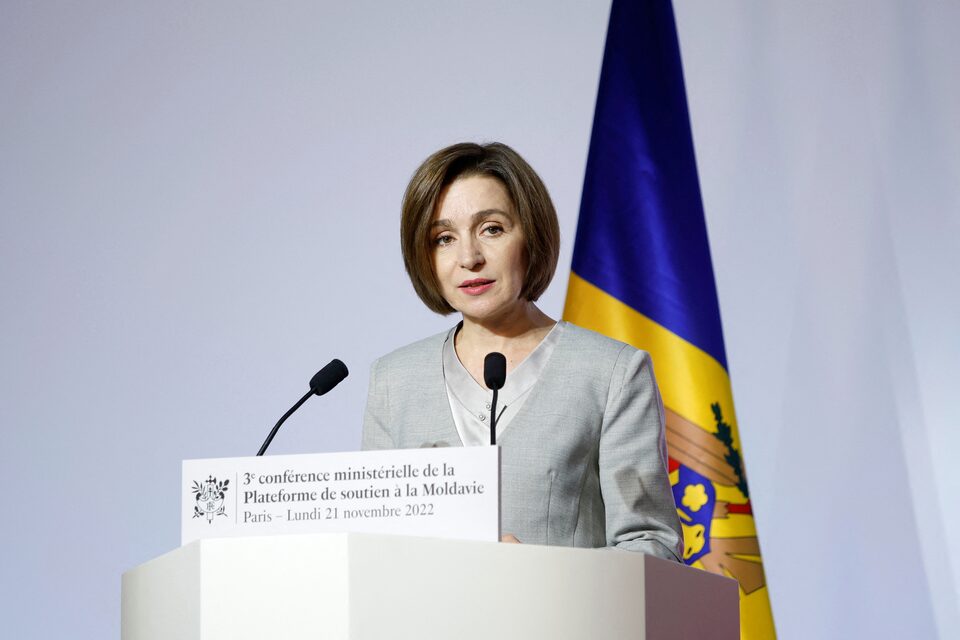
The Moldova CIS withdrawal has been officially confirmed after President Maia Sandu signed documents finalizing the country’s exit from the Commonwealth of Independent States (CIS), marking a significant geopolitical shift toward European integration.
This decision represents one of the most decisive foreign policy moves by Moldova in recent years, further distancing the country from post-Soviet structures and strengthening its alignment with the European Union.

Parliament Approves Moldova CIS Withdrawal
The Moldova CIS withdrawal process began in parliament, where lawmakers voted on key agreements tied to the organization.
Out of 101 deputies:
- 60 voted in favor of withdrawal
- Opposition parties voted against the decision
- The vote was not unanimous, reflecting political divisions
The parliament described the decision as a “natural and inevitable step” toward Moldova’s EU integration path.
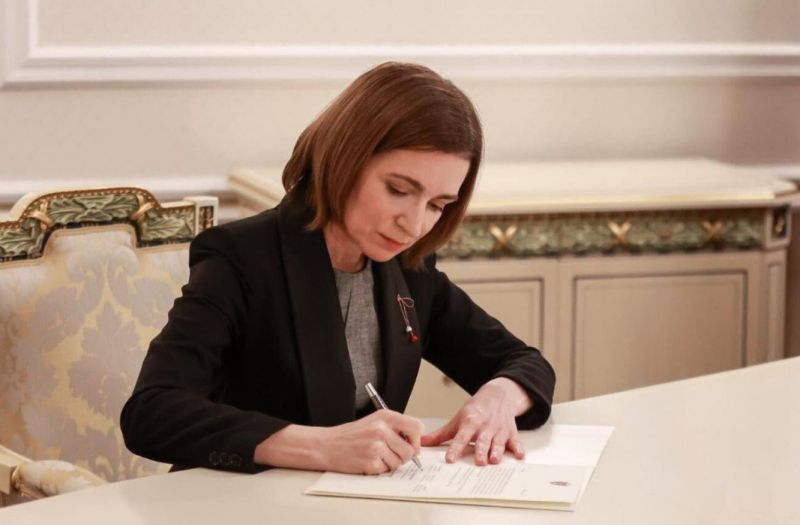
President Maia Sandu Finalizes Exit
The withdrawal was completed when President Maia Sandu signed the official documents confirming Moldova’s departure from CIS agreements.
This move marks:
- The legal completion of the withdrawal process
- A formal end to Moldova’s active CIS membership
- A symbolic break from post-Soviet institutional frameworks
The Moldova CIS withdrawal is seen as a continuation of Sandu’s pro-European political agenda.
Long-Term Gradual Exit from CIS Structures
Moldova’s departure did not happen overnight. The country has been gradually disengaging from CIS structures since 2022.
Key developments include:
- Suspension of participation in CIS activities since 2022
- Withdrawal from approximately 70 CIS-related agreements in 2023
- Alignment of national laws with EU standards
This gradual process shows that the Moldova CIS withdrawal was part of a long-term strategic policy shift rather than a sudden political decision.
Political Divide Inside Moldova
The decision has exposed political divisions within Moldova’s parliament and wider political system.
Supporters of the withdrawal argue that:
- The CIS no longer serves Moldova’s national interests
- EU integration requires legal and institutional alignment
- Continued participation could slow democratic reforms
Opposition parties, particularly Communist and Socialist groups, argued against the move, claiming it weakens regional cooperation and traditional ties.
Moldova’s Path Toward European Union Integration
The Moldova CIS withdrawal is closely linked to the country’s ambition to join the European Union.
Since 2022:
- Moldova applied for EU membership
- It was granted candidate status
- It has been implementing reforms to meet EU standards
Government officials describe the CIS exit as part of broader efforts to align Moldova’s legal, economic, and political systems with European norms.
Decline of CIS Influence in the Region
The Commonwealth of Independent States was originally formed after the collapse of the Soviet Union to maintain cooperation among former Soviet republics.
However, in recent years:
- Several countries have reduced participation
- Ukraine and Georgia have already exited
- Moldova’s withdrawal continues this regional trend
The Moldova CIS withdrawal further weakens the organization’s influence in Eastern Europe.
What Remains of the CIS
After Moldova’s exit, the CIS now consists of:
- Russia
- Belarus
- Armenia
- Azerbaijan
- Kazakhstan
- Kyrgyzstan
- Uzbekistan
- Tajikistan
Turkmenistan remains an associate member.
Analysts say the organization now functions more as a loose regional bloc rather than a unified political or economic structure.

Strategic Implications of Moldova CIS Withdrawal
Experts view the Moldova CIS withdrawal as a significant geopolitical development with broader implications.
It signals:
- Moldova’s deeper alignment with the West
- Reduced Russian influence in the region
- Continued fragmentation of post-Soviet alliances
The move is also expected to influence Moldova’s future trade, security, and diplomatic relationships.
Conclusion
The Moldova CIS withdrawal marks a historic shift in the country’s foreign policy direction, reinforcing its commitment to European integration while distancing itself from post-Soviet structures.
As Moldova continues its EU accession journey, this decision represents a defining moment in its modern political history and a clear signal of its long-term strategic priorities.