
 0
0
 0
0
The Cuba tourism crisis has reached alarming levels following new US fuel restrictions, with the country’s once-thriving travel industry experiencing a dramatic collapse in visitor numbers and economic activity.
Authorities and tourism operators report that fuel shortages and ongoing power outages have severely disrupted hotel operations, airline routes, and daily life in major tourist hubs such as Havana.
Sharp Decline in Tourist Arrivals
Recent statistics reveal the severity of the Cuba tourism crisis, with international arrivals dropping sharply across the first quarter of 2026.
Key figures show:
- An 18% drop in tourist arrivals compared with 2024
- A staggering 62% decline from the 2018 peak of 4.7 million visitors
- A 56.6% fall in arrivals in February 2026 compared to the same period in 2025
Tourism officials now describe the situation as the worst downturn in more than two decades, signaling a deep structural crisis in one of Cuba’s most important industries.
US Fuel Restrictions and Energy Shortages at the Core
At the center of the Cuba tourism crisis are restrictions imposed on fuel shipments from the United States, which have significantly limited the country’s ability to maintain transport, electricity, and tourism services.
These restrictions have intensified existing energy challenges, leading to:
- Frequent nationwide power outages
- Reduced hotel capacity due to operational limits
- Transportation disruptions affecting tourists and workers
- Airline cancellations and reduced international flight schedules
Tourism operators say these combined pressures have made it increasingly difficult to sustain normal travel activity.
Havana Tourism Industry in Freefall
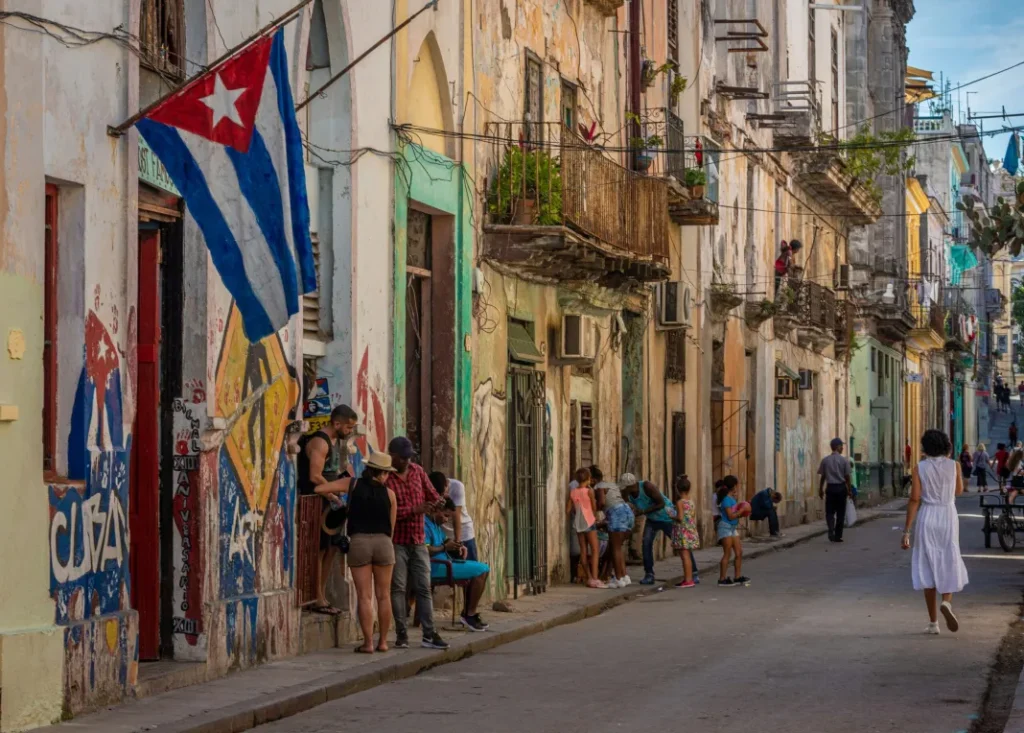
Once known for its vibrant culture, classic cars, and busy streets filled with international visitors, Havana has experienced a dramatic transformation.
The Cuba tourism crisis has led to:
- Hotel closures due to low occupancy
- Empty restaurants during peak hours
- Reduced street activity in major tourist districts
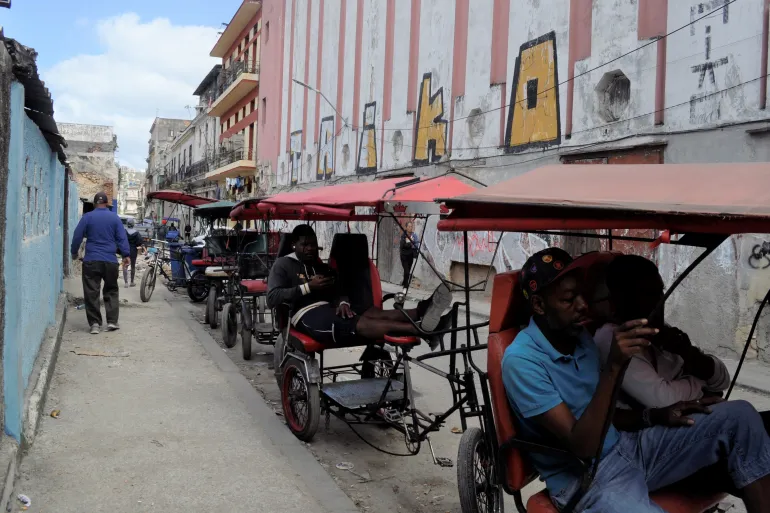
- Decline in cultural and transport services
Famous areas such as Central Havana and Parque Central, once filled with tourists, now appear unusually quiet, with only a fraction of the usual traffic.
Economic and Social Impact on Local Workers
The downturn has severely affected workers who depend on tourism for income, including students, vendors, and service employees.
Many report sudden loss of earnings as visitor numbers continue to fall.
A university student working in retail described a sharp decline in customers, noting that tourism-dependent areas have become nearly inactive.
A waiter in Havana explained that sales have “collapsed completely,” reflecting the widespread economic strain caused by the Cuba tourism crisis.
Street vendors and small business owners are also reporting income drops of up to 80%, with many struggling to maintain daily livelihoods.

Classic Havana Attractions Losing Their Appeal
One of the most visible signs of the crisis is the disappearance of Havana’s iconic vintage American cars.
These classic vehicles, once a symbol of Cuban tourism, are now rarely seen due to:
- Fuel shortages
- High operating costs
- Reduced tourist demand
In popular areas like Central Park near the José Martí monument, the number of tourist cars has dropped dramatically, signaling the depth of the ongoing tourism collapse.
International Flights and Visitor Drop-Off
The Cuba tourism crisis has also been worsened by the suspension of several international flight routes.
Airlines from Europe, Canada, and Türkiye have reduced or cancelled direct services, leading to a sharp decline in foreign arrivals.
Tour operators report that group bookings have slowed significantly, with many travel agencies suspending Cuba packages altogether due to uncertainty and operational challenges.
Struggles Faced by International Visitors
Remaining tourists report mixed experiences depending on location.
Visitors in central Havana describe relatively stable conditions in core tourist zones, but severe shortages become more visible outside these areas.
Common challenges include:
- Limited electricity supply, sometimes only a few hours per day
- Reduced transport availability
- Restricted access to services in rural and suburban regions
These issues have further dampened tourism confidence during an already fragile period.
Economic Importance of Tourism Under Threat
Tourism remains one of Cuba’s most vital sources of foreign currency, alongside limited mineral exports and remittances.
However, the ongoing Cuba tourism crisis has placed immense pressure on the economy, threatening jobs, foreign income, and national recovery efforts.
Before the downturn, tourism was expected to gradually recover after the COVID-19 pandemic, but current conditions have reversed much of that progress.
Outlook Remains Uncertain
Experts warn that recovery will depend heavily on international policy decisions, particularly those linked to Washington’s energy and trade restrictions.
Without resolution, Cuba’s tourism industry may continue to struggle, prolonging economic hardship for thousands of workers who depend on visitor spending.
For now, the Cuba tourism crisis stands as one of the most severe challenges facing the country’s post-pandemic recovery.
PLEASE CLICK HERE FOR MORE NEWS