


 0
0
 0
0
Dangote refinery petrol exports Africa 2026 have surged as the facility increases fuel and fertiliser shipments to countries facing supply shortages linked to global disruptions. The expansion comes as Africa grapples with energy supply challenges intensified by geopolitical tensions affecting oil markets.
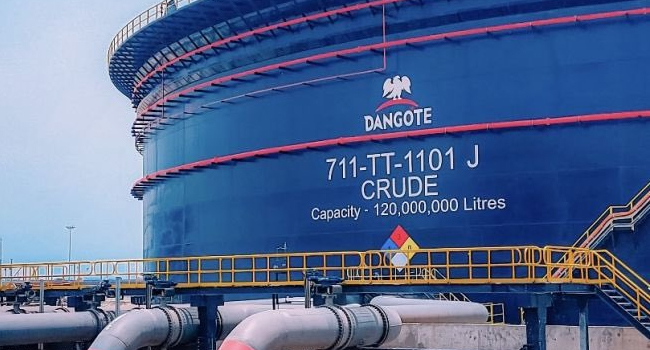
Expansion of Petrol Exports Across Africa
The Dangote refinery petrol exports Africa 2026 development reflects a strategic shift toward supplying more African countries with refined petroleum products. The refinery, operating at full capacity of 650,000 barrels per day, has become a key supplier across multiple regions.
Regions Benefiting from Increased Supply
According to statements made during a refinery tour, supply coverage now includes:
- West Africa
- Central Africa
- East Africa
This expansion marks a significant change from previous export patterns, where supply was more limited to specific markets.
Volume of Shipments
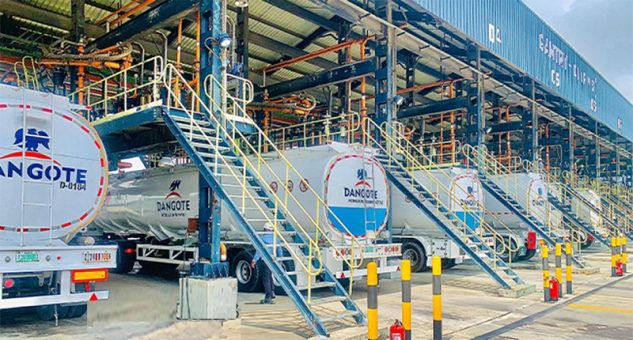
The refinery has reportedly shipped:
- Around 17 cargoes of gasoline to African nations
- Increased volumes of urea fertiliser in recent days
These shipments are helping to cushion the impact of ongoing disruptions in global supply chains.
Impact of Global Supply Disruptions
The Dangote refinery petrol exports Africa 2026 increase is closely tied to supply challenges caused by geopolitical tensions, particularly involving the Middle East.
Effects on African Markets
African countries have experienced:
- Reduced access to imported refined fuel
- Rising fuel costs
- Increased reliance on alternative suppliers
The refinery’s output has played a role in mitigating some of these pressures by providing a more accessible regional supply source.
Local Market Influence
Despite the increased production, fuel prices in Nigeria have continued to rise due to high global crude oil prices. This highlights the complexity of balancing local supply with international market forces.
Urea Fertiliser Exports Also Rise
In addition to fuel, the Dangote refinery petrol exports Africa 2026 trend includes a notable increase in urea fertiliser shipments.
Changing Export Focus
Traditionally, most urea exports were directed toward:
- The United States
- South America
However, recent developments show a shift toward African markets as demand rises within the continent.
Production Capacity
The refinery has the capacity to produce:
- Up to 3 million metric tonnes of urea annually
This capacity positions it as a major player in supporting agricultural needs across Africa.
Crude Supply and Local Currency Strategy
The Dangote refinery petrol exports Africa 2026 expansion also depends on consistent crude oil supply.
Increased Crude Allocation
Recent reports indicate that the Nigerian National Petroleum Company has increased crude allocations to the refinery:
- Seven cargoes allocated for May
- Up from five cargoes in previous months
This increase is expected to support sustained production levels.
Push for Local Currency Pricing
The refinery is exploring the possibility of securing crude oil priced in local currency. This strategy aims to:
- Reduce exposure to foreign exchange fluctuations
- Help stabilise fuel prices domestically
- Improve affordability for consumers
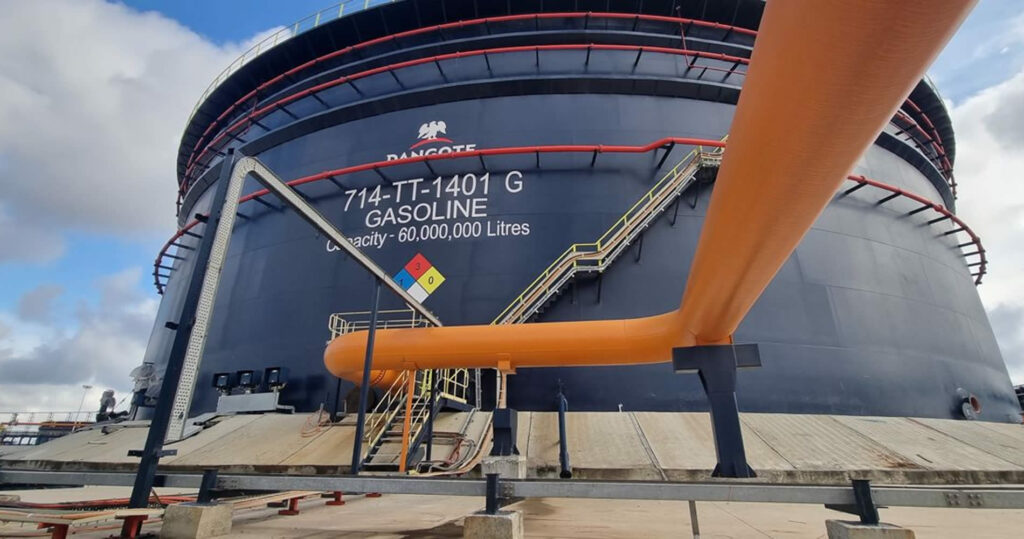
Economic and Regional Significance
The Dangote refinery petrol exports Africa 2026 initiative carries broader implications for both Nigeria and the African continent.
Strengthening Regional Energy Security
By increasing intra-African supply, the refinery contributes to:
- Reduced dependence on imports from outside the continent
- Improved energy security
- Enhanced regional trade integration
Supporting Industrial Growth
Reliable access to fuel and fertiliser supports:
- Transportation and logistics
- Manufacturing sectors
- Agricultural productivity
These factors are essential for economic development across African nations.
Challenges and Limitations
While the Dangote refinery petrol exports Africa 2026 expansion offers benefits, challenges remain.
Key Constraints
- High global crude oil prices affecting local fuel costs
- Limited immediate impact on domestic price reductions
- Dependence on consistent crude supply
These challenges highlight the need for complementary policies to maximise the refinery’s impact.
Future Outlook
The Dangote refinery petrol exports Africa 2026 trend is expected to continue as demand for reliable energy supply grows across the continent.
Potential Developments
- Further expansion of export destinations
- Increased collaboration with African governments
- Enhanced production efficiency
The refinery’s role is likely to remain central in shaping Africa’s energy landscape in the coming years.
FAQ
Q: What is the Dangote refinery petrol exports Africa 2026 development about?
A: It refers to the increase in petrol and fertiliser exports from the Dangote refinery to African countries facing supply shortages.
Q: How many petrol shipments has the refinery made?
A: The refinery has shipped approximately 17 cargoes of gasoline to African nations.
Q: Why are exports increasing to African countries?
A: Supply disruptions and rising demand within Africa have led to a shift toward regional exports.
Q: Will this reduce fuel prices in Nigeria?
A: While it improves supply, high global crude prices continue to influence local fuel costs.
Conclusion
The Dangote refinery petrol exports Africa 2026 expansion highlights the growing importance of regional energy solutions in addressing supply challenges. By increasing fuel and fertiliser shipments across Africa, the refinery is helping to stabilise markets while supporting economic activity. However, global price pressures and supply constraints continue to shape the overall impact on consumers and industries.
PLEASE CLICK HERE FOR MORE NEWS


