 0
0
 0
0
Japan caregiver abuse elderly deaths report 2026 has revealed alarming findings about the risks faced by older adults in caregiving environments, with hundreds of fatalities recorded over nearly two decades.
The report highlights systemic challenges in elderly care, including caregiver stress, financial strain, and the growing number of aging households.
Government Report Reveals Nearly 500 Deaths
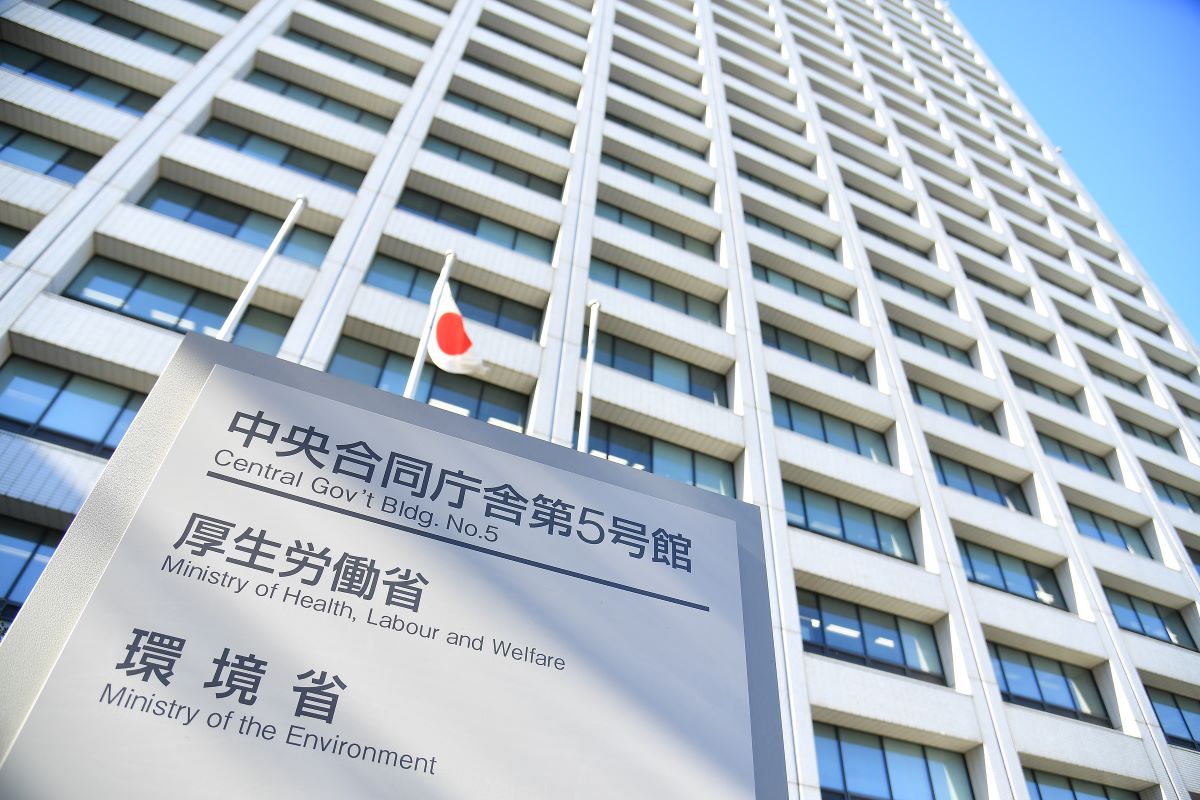
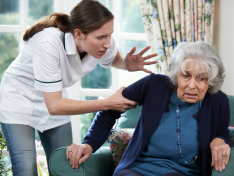
A report released by Ministry of Health, Labour and Welfare found that 486 people aged 65 and older died between 2006 and 2024 due to murder or abuse by caregivers.
These cases include:
- Direct acts of violence
- Neglect leading to death
- Incidents with unclear causes
The Japan caregiver abuse elderly deaths report 2026 underscores the seriousness of caregiving challenges in an aging society.
Breakdown of Fatalities
According to the findings:
- 142 victims were men
- 344 victims were women
- 220 cases involved murder, murder-suicide, or attempted murder-suicide
These figures show a disproportionate impact on elderly women and highlight the severity of domestic caregiving risks.
What Counts as Caregiver Abuse
The report categorizes abuse into several forms:
- Physical violence
- Emotional or psychological harm
- Neglect or abandonment
- Financial exploitation
Each of these factors can contribute to life-threatening situations, especially among vulnerable elderly individuals.
Experts Warn: “Tip of the Iceberg”
Experts believe that the numbers presented may not fully reflect the true scale of the issue.
Underreporting Concerns
Specialists warn that:
- Many abuse cases go unreported
- Deaths may be misclassified
- Families may conceal incidents
The Japan caregiver abuse elderly deaths report 2026 is therefore considered a partial picture of a broader problem.
Hidden Risks in Home Care
In-home caregiving, while common in Japan, can create isolated environments where abuse is harder to detect.
Risk factors include:
- Limited external monitoring
- Social stigma around reporting
- Emotional pressure within families
These elements contribute to the hidden nature of many cases.
Rise of Elderly-Only Households
A key factor highlighted in the report is the rapid increase in elderly-only households across Japan.
Growing Demographic Shift
The number of such households has now exceeded 17 million.
This trend reflects:
- A rapidly aging population
- Declining birth rates
- Changing family structures
When Caregivers Are Also Elderly
An increasing number of cases involve situations where both the caregiver and the recipient are elderly.
This dynamic can lead to:
- Physical limitations in caregiving
- Higher stress levels
- Increased risk of accidents or neglect
The Japan caregiver abuse elderly deaths report 2026 emphasizes how this demographic shift complicates traditional caregiving models.
Who Are the Perpetrators?
The report provides insight into the individuals responsible for abuse and fatal incidents.
Gender and Relationship Breakdown
Out of 483 identified perpetrators:
- 343 were men
- 140 were women
The most common relationships were:
- Sons
- Husbands
This suggests that family members, rather than professional caregivers, are often involved in these cases.
Why Family Caregiving Can Turn Risky
Family-based caregiving, while culturally significant, may involve:
- Emotional strain
- Lack of professional training
- Financial pressure
These challenges can escalate into harmful situations if support systems are lacking.
Key Causes Behind Abuse and Fatal Incidents
The Japan caregiver abuse elderly deaths report 2026 identifies several underlying causes contributing to these tragic outcomes.
Caregiver Burnout
One of the leading factors is physical and emotional exhaustion.
Symptoms of burnout include:
- Chronic stress
- Fatigue
- Reduced ability to provide adequate care
Without intervention, burnout can lead to neglect or aggression.
Financial Hardship
Economic pressure is another major contributor.
Challenges include:
- High cost of medical care
- Loss of income due to caregiving responsibilities
- Limited access to financial support
These pressures can intensify stress within households.
Social Isolation
Isolation plays a critical role in many cases.
Contributing factors include:
- Lack of community support
- Limited access to social services
- Reduced interaction with others
Isolation can increase vulnerability for both caregivers and the elderly.
Broader Implications for Aging Societies
The findings from the Japan caregiver abuse elderly deaths report 2026 have implications beyond Japan.
Lessons for Other Countries
Many nations facing aging populations may encounter similar challenges, including:
- Increased demand for caregiving
- Strain on family-based care systems
- Need for stronger social support networks
Importance of Policy and Support Systems
Experts often highlight the need for:
- Expanded caregiver support programs
- Improved monitoring and reporting systems
- Greater access to professional care services
Such measures could help reduce risks and improve outcomes for elderly individuals.
Frequently Asked Questions
What does the Japan caregiver abuse elderly deaths report 2026 reveal?
It shows that 486 elderly individuals died between 2006 and 2024 due to caregiver-related abuse, violence, or neglect.
Who are the most common perpetrators in these cases?
Family members, particularly sons and husbands, are most frequently identified as perpetrators.
Why are elderly-only households a concern?
They often involve elderly caregivers looking after other elderly individuals, increasing stress and risk factors.
What are the main causes of caregiver abuse in Japan?
Key causes include caregiver burnout, financial hardship, and social isolation.
Conclusion
The Japan caregiver abuse elderly deaths report 2026 highlights serious challenges within aging societies, particularly in home-based caregiving environments. With nearly 500 deaths recorded and experts warning of underreporting, the findings point to the need for stronger support systems, better monitoring, and increased awareness. As populations continue to age globally, addressing these issues will remain a critical priority for policymakers and communities alike.