 0
0
 0
0
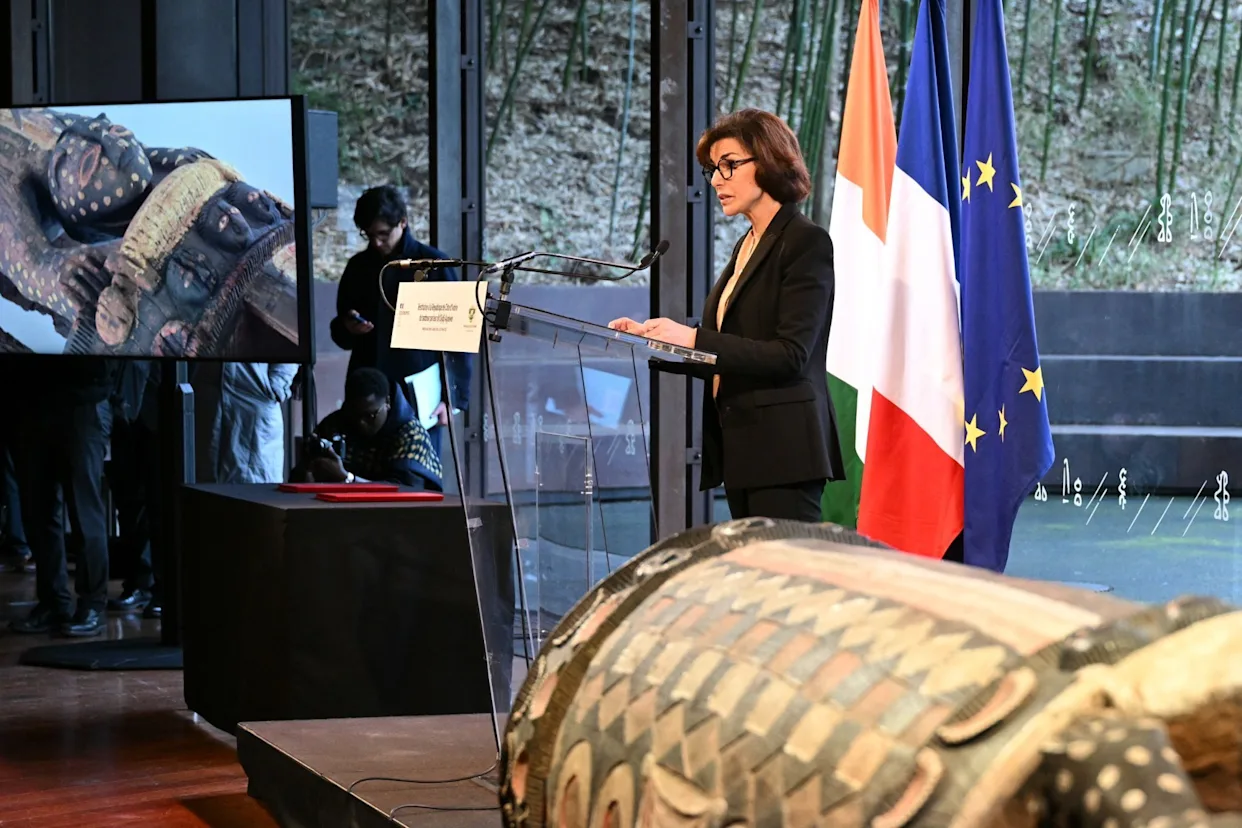
AI African artifacts restitution tracking tool is transforming how cultural heritage is reclaimed across the continent, offering a new digital approach to managing the complex process of returning artifacts taken during the colonial era. The platform, recently launched by Open Restitution Africa, aims to simplify and accelerate restitution efforts that have historically been slow and fragmented.
By leveraging artificial intelligence, the tool helps organize scattered data, track ongoing claims, and connect stakeholders involved in the restitution process.
How the AI Tool Supports Artifact Restitution
The return of African artifacts has long been hindered by incomplete records, bureaucratic delays, and limited coordination among institutions. The new AI-powered system addresses these challenges by creating a centralized digital hub.
Key Functions of the Platform
The tool is designed to:
- Aggregate restitution data from multiple sources
- Track the status of artifact return claims
- Provide narrative context for each case
- Connect researchers, museums, and communities
This makes the AI African artifacts restitution tracking tool a significant advancement in cultural heritage management.
Why Restitution Efforts Have Been Slow
Historically, restitution processes have faced several obstacles:
- Fragmented archival records across continents
- Limited funding and staffing in African institutions
- Complex legal and diplomatic procedures
By organizing data more efficiently, the AI system reduces the time needed to process claims.
The Role of Collaboration in Restitution Efforts
Experts emphasize that collaboration is essential for successful restitution. The AI tool is built to facilitate communication among diverse stakeholders.
Bridging Institutional Gaps
Restitution discussions often occur between European institutions holding artifacts and African nations seeking their return. However, disparities in resources can slow progress.
The platform helps level the playing field by:
- Providing accessible information to African researchers
- Enabling cross-border collaboration
- Supporting community-led initiatives
Insights From Project Leaders
Co-founders of Open Restitution Africa have highlighted the importance of shared knowledge in achieving results.
Strengthening Research Networks
The tool allows multiple contributors to input and verify data, ensuring more accurate records.
Encouraging Joint Efforts
Collaboration between museums, governments, and local communities increases the likelihood of successful returns.

Background: Colonial-Era Artifact Removal
The issue of artifact restitution is rooted in historical events during the colonial period, when many cultural objects were taken from African societies.
Scale of the Issue
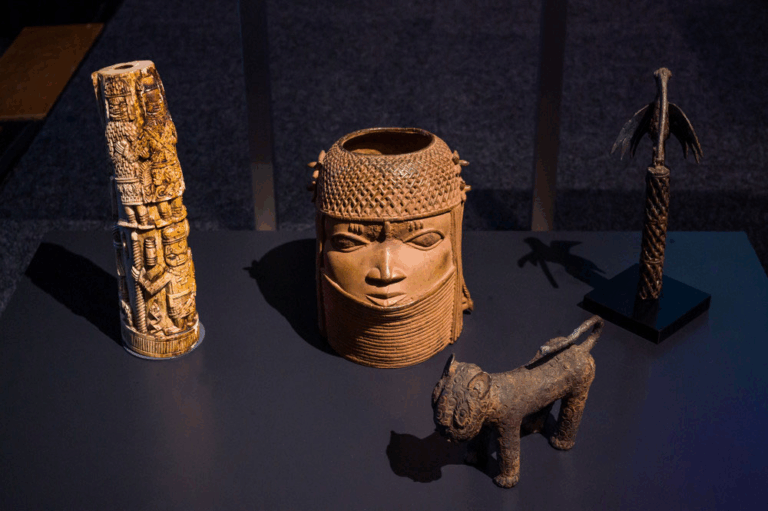
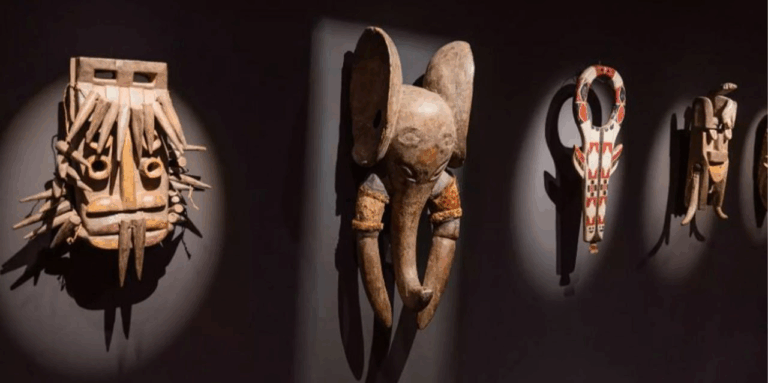
Thousands of artifacts are currently held in museums and private collections across Europe and other regions.
Examples include:
- Sculptures and ceremonial objects
- Historical manuscripts
- Cultural and religious artifacts
Ongoing Global Debate
The return of these items has become a major topic in international cultural policy, with growing calls for restitution.
The AI African artifacts restitution tracking tool contributes to this global discussion by providing actionable data.
Technology and Cultural Heritage Preservation
The integration of artificial intelligence into heritage management reflects a broader trend of using technology to address historical challenges.
How AI Improves Data Management
Artificial intelligence can:
- Analyze large datasets quickly
- Identify connections between records
- Highlight missing information
This capability is particularly valuable in restitution work, where documentation is often incomplete.
Digital Transformation of Museums
Museums and research institutions are increasingly adopting digital tools to manage collections and improve transparency.
The AI African artifacts restitution tracking tool aligns with this shift toward digital innovation.
Challenges and Considerations
While the new platform offers significant benefits, some challenges remain.
Data Accuracy and Verification
Ensuring that all information is accurate and up-to-date is essential for effective restitution.
Legal and Diplomatic Barriers
Even with improved data, the return of artifacts often depends on negotiations between governments and institutions.
Resource Limitations
Some organizations may still face funding and capacity constraints when engaging with the platform.
Despite these challenges, the tool represents a meaningful step forward.
Future Outlook for Artifact Restitution
The introduction of AI into restitution efforts could reshape how cultural heritage is managed globally.
Potential Developments
- Increased transparency in artifact ownership
- Faster resolution of restitution claims
- Greater involvement of local communities
Long-Term Impact
As more institutions adopt digital tools, the process of returning artifacts may become more efficient and equitable.
The AI African artifacts restitution tracking tool is expected to play a central role in this evolution.
FAQ
What is the AI African artifacts restitution tracking tool?
It is a digital platform that uses artificial intelligence to organize and track the return of African artifacts taken during the colonial period.
Who developed the tool?
The platform was launched by Open Restitution Africa, a pan-African research organization.
How does the tool help restitution efforts?
It centralizes data, improves collaboration, and provides insights into ongoing claims.
Why is artifact restitution important?
It helps restore cultural heritage, address historical injustices, and return valuable items to their communities of origin.
Conclusion
The launch of the AI African artifacts restitution tracking tool marks an important development in efforts to return cultural heritage to Africa. By addressing longstanding challenges such as fragmented data and limited coordination, the platform offers a more efficient and collaborative approach to restitution.
As technology continues to evolve, tools like this may play a crucial role in shaping the future of cultural heritage preservation and international cooperation.
PLEASE CLICK HERE FOR MORE NEWS