 0
0
 0
0
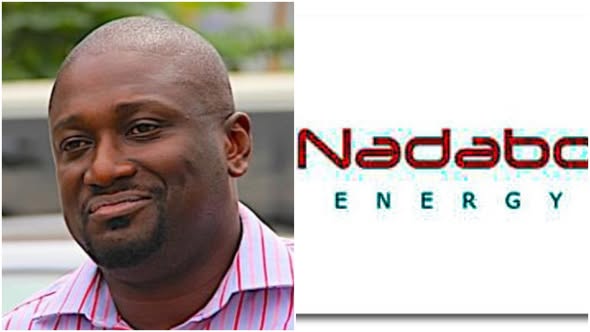
Nadabo Energy oil subsidy fraud case has drawn significant attention after the re-arraignment of oil executive Abubakar Peters over allegations of financial misconduct involving billions of naira.
The case, currently before the Lagos State High Court in Ikeja, centers on claims that Peters and his company fraudulently obtained funds under Nigeria’s fuel subsidy scheme. The proceedings mark a continuation of a long-running legal battle tied to alleged irregularities in petroleum subsidy payments.

Court Re-Arraignment and Case Transfer
The Nadabo Energy oil subsidy fraud case resumed following administrative changes within the judiciary.
Judge Reassignment After Retirement
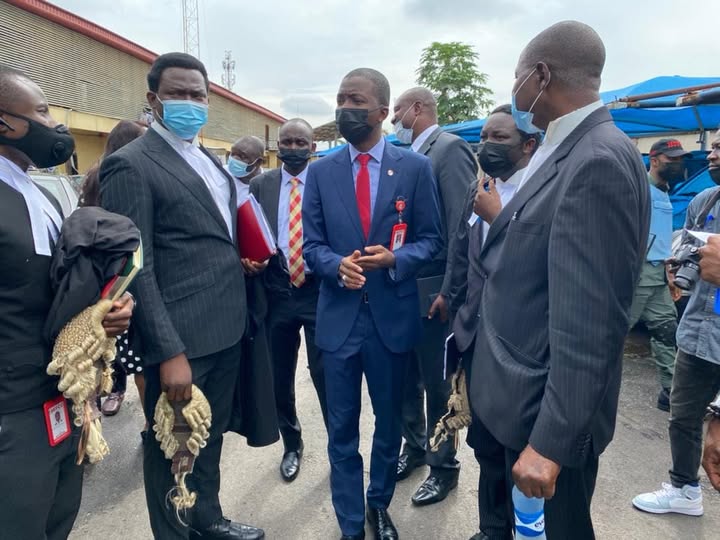
The matter was initially handled by another judge but was reassigned after the retirement of the previous presiding judge. The case is now before Justice Ismail Ijelu, who is overseeing fresh proceedings.
Background of Previous Trial
- The defendants had earlier been arraigned years ago
- Proceedings were ongoing before reassignment
- The case reflects long-standing investigations into subsidy-related fraud
This transition has effectively restarted aspects of the trial process while maintaining earlier filings and charges.
EFCC Allegations Against Nadabo Energy
The Nadabo Energy oil subsidy fraud case is being prosecuted by the Economic and Financial Crimes Commission (EFCC), which has outlined multiple allegations.
Key Charges Filed
The EFCC has filed 27 counts against the defendants, including:
- Use of forged documents
- Fraudulent claims under the subsidy scheme
- Intent to deceive the federal government
The total amount in question is approximately N1.4 billion, although some charges reference sums exceeding N1.46 billion.
Specific Fraud Claim Details
One of the central accusations involves a transaction allegedly carried out in April 2012:
- Claimed subsidy: N978.4 million
- Claimed import volume: over 19 million litres of petrol
- Alleged source: Ashland SA, Geneva
However, investigators contend that only about 6.5 million litres were actually imported, raising questions about discrepancies in documentation and payment claims.
Alleged Use of Forged Documents
Another major aspect of the Nadabo Energy oil subsidy fraud case involves accusations of document forgery.
Insurance Certificate Controversy
The EFCC alleges that the defendants forged a document titled:
- Certificate of Marine Insurance No. 0047851
- Allegedly issued by Staco Insurance Plc
This document was reportedly used to support subsidy claims under the Petroleum Support Fund (PSF).
Implications of Forgery Allegations
If proven, these claims could demonstrate:
- Systemic abuse of subsidy verification processes
- Weak regulatory oversight at the time
- Potential collaboration across multiple entities
Forgery-related charges are often treated as serious financial crimes due to their role in enabling large-scale fraud.

Defence Response and Bail Status
The Nadabo Energy oil subsidy fraud case has also seen legal arguments from the defence team.
Plea and Legal Position
Both the defendant and the company pleaded not guilty to all charges. Defence counsel argued that:
- The defendant has been on bail since December 2012
- All bail conditions have been consistently met
- There has been no attempt to evade trial
Court Decision on Bail
Justice Ijelu ruled that:
- The defendant should remain on existing bail conditions
- Sureties must reappear in court to reaffirm commitments
- Defence counsel must formally guarantee the defendant’s presence
This decision allows the accused to remain out of custody while awaiting trial.
Timeline and Next Court Dates
The Nadabo Energy oil subsidy fraud case is scheduled to proceed with full trial hearings soon.
Key Dates Announced
The court has fixed:
- May 19, 2026
- May 20, 2026
- May 21, 2026
These dates are set for the commencement of substantive trial proceedings.
Expected Trial Focus
During the trial, the court is expected to examine:
- Documentary evidence submitted by both parties
- Witness testimonies
- Financial transaction records
- Regulatory compliance issues
The outcome will depend on the strength of evidence presented and legal arguments made by both sides.
Broader Context of Nigeria’s Oil Subsidy Fraud Cases
The Nadabo Energy oil subsidy fraud case is part of a wider pattern of investigations into Nigeria’s subsidy regime.
Historical Background
Nigeria’s fuel subsidy system has long faced scrutiny due to:
- Large financial outflows
- Allegations of inflated import claims
- Weak verification mechanisms
Several high-profile cases have emerged over the years involving companies and individuals accused of exploiting the system.
Economic Impact
Fraud within the subsidy framework can have significant consequences:
- Increased fiscal pressure on government budgets
- Reduced funds for infrastructure and social services
- Erosion of public trust in institutions
Efforts to reform the subsidy system have been ongoing, with varying degrees of success.
Legal and Regulatory Implications
The Nadabo Energy oil subsidy fraud case could have broader implications for corporate governance and regulatory enforcement.
Strengthening Oversight
Cases like this often prompt calls for:
- Improved monitoring of fuel imports
- Stronger verification systems
- Greater transparency in subsidy payments
Accountability in the Oil Sector
The trial may also reinforce the importance of:
- Compliance with financial regulations
- Accurate reporting of transactions
- Accountability among industry stakeholders
The outcome could influence future enforcement strategies by regulatory agencies.
FAQ
What is the Nadabo Energy oil subsidy fraud case about?
The case involves allegations that Nadabo Energy and its CEO fraudulently obtained over N1.4 billion through false subsidy claims and forged documents.
Who is Abubakar Peters?
Abubakar Peters is the CEO of Nadabo Energy and the main defendant in the ongoing oil subsidy fraud case in Lagos.
What charges have been filed in the case?
The EFCC has filed 27 charges, including fraud, forgery, and obtaining money under false pretenses.
When will the trial begin?
The trial is scheduled to commence on May 19, 20, and 21, 2026, at the Lagos State High Court.
Conclusion
The Nadabo Energy oil subsidy fraud case represents a significant legal proceeding within Nigeria’s ongoing efforts to address financial misconduct in the petroleum sector. As the trial moves forward, attention will remain on the evidence presented and the judicial process. The case also highlights broader concerns about transparency, accountability, and reform within the country’s subsidy framework.
PLEASE CLICK HERE FOR MORE NEWS