 0
0
 0
0
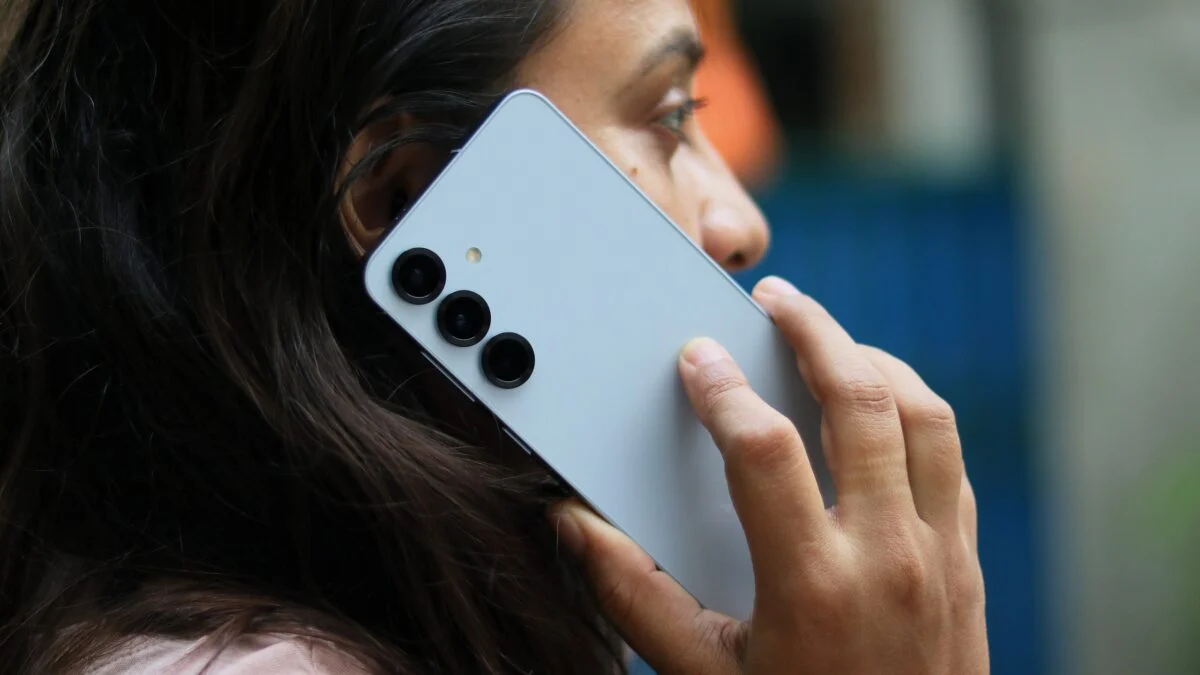
Galaxy S26 Call Screening One UI 8.5 is drawing attention as reports suggest the feature may remain exclusive to Samsung’s upcoming flagship devices. Despite expectations that it would roll out to older models, new information indicates that even recent smartphones may not receive this advanced capability.
What Is Call Screening on Galaxy S26?
Call Screening is one of the standout AI-powered features expected to debut with the Galaxy S26 lineup. It is designed to help users manage incoming calls more efficiently and reduce unwanted interruptions.
How Call Screening Works
The feature can:
- Automatically answer incoming calls
- Ask the caller to identify themselves and state their purpose
- Display a real-time transcription of the conversation
Users can then decide how to respond based on the information provided.
Interactive Call Handling
Call Screening goes beyond passive filtering by allowing users to:
- Take over the call at any time
- Respond by typing messages that the phone relays to the caller
- Monitor conversations without directly engaging
This level of control highlights the growing role of AI in everyday smartphone interactions.
One UI 8.5 Update Expectations
Before recent developments, many users expected Samsung to bring this feature to older devices through software updates.
Anticipated Android 16 Integration
The One UI 8.5 update, based on Android 16 QPR2, was seen as the ideal opportunity to introduce Call Screening to existing Galaxy devices.
Why Users Expected Wider Availability
Several factors contributed to these expectations:
- Samsung’s history of backporting features
- The relatively recent release of devices like the Galaxy S25
- Increasing emphasis on software-driven improvements
However, current indications suggest a different outcome.
Galaxy S25 Likely Missing Out
One of the most notable aspects of the Galaxy S26 Call Screening One UI 8.5 discussion is the apparent exclusion of the Galaxy S25.
Official Community Response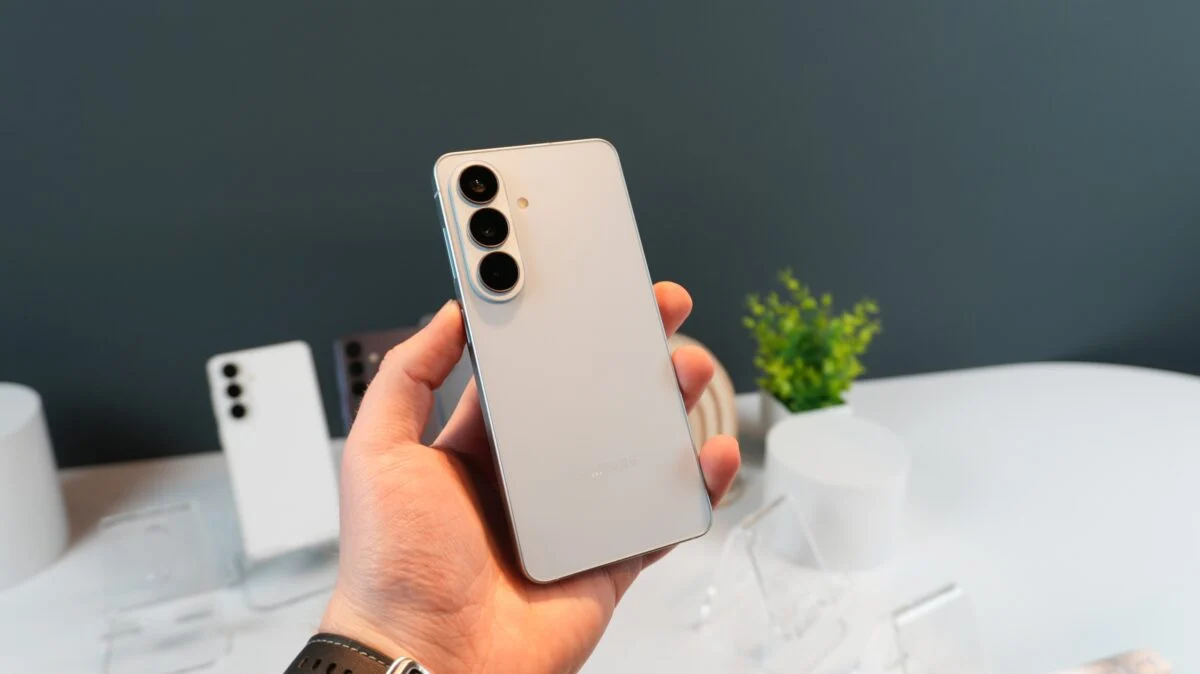
A response from a Samsung community moderator suggests that Call Screening will be limited to the Galaxy S26 series. This implies that the feature will not be included in updates for earlier models.
Why the Galaxy S25 Matters
The Galaxy S25 is among Samsung’s most powerful non-foldable smartphones. If it does not receive the feature, it is unlikely that older or less capable devices will get it either.
Implications for Other Devices
This limitation suggests that:
- The feature may require newer hardware capabilities
- Samsung could be reserving it for newer models as a differentiator
- Older devices may miss out on certain AI advancements
Possible Reasons for Limited Availability
There are several potential explanations for why Call Screening may not be extended to older devices.
Hardware and AI Processing Requirements
Advanced AI features often rely on:
- More powerful processors
- Enhanced neural processing units (NPUs)
- Improved memory and system optimization
Older devices may not fully support these requirements.
Strategic Feature Differentiation
Samsung may also be using exclusive features to:
- Encourage upgrades to newer models
- Differentiate flagship devices
- Highlight advancements in its latest hardware
Software Optimization Challenges
Even if hardware is capable, optimizing such features across multiple devices can be complex and resource-intensive.
What One UI 8.5 Will Still Offer
While Call Screening may not be included, the One UI 8.5 update is still expected to bring improvements to older devices.
Expected Features and Enhancements
Although details remain limited, users can likely expect:
- Performance optimizations
- User interface refinements
- Additional Galaxy AI features (excluding Call Screening)
Continued Software Support
Samsung’s update strategy typically ensures that devices receive:
- Security updates
- System stability improvements
- Incremental feature upgrades
This means older devices will still benefit from the update, even without Call Screening.
Could Foldable Devices Be Different?
There is some speculation that Samsung’s foldable lineup could receive different treatment.
Potential for Premium Device Support
Devices like future foldable models may have:
- More advanced hardware
- Greater AI processing capabilities
- Higher prioritization for new features
Uncertain Outlook
At this stage, it remains unclear whether foldable devices will receive Call Screening or if the feature will remain exclusive to the Galaxy S26 series.
Broader Impact on Samsung Users
The decision to limit Call Screening could influence how users view Samsung’s update strategy.
User Expectations vs Reality
Many users expect flagship devices to receive major new features through updates. When this does not happen, it can lead to:
- Frustration among recent buyers
- Increased scrutiny of software policies
- Greater interest in upgrade cycles
Evolving Role of AI in Smartphones
As AI features become more central to smartphone functionality, access to these tools may increasingly depend on hardware capabilities.
Frequently Asked Questions (FAQ)
What is Galaxy S26 Call Screening One UI 8.5?
It is an AI-powered feature that screens incoming calls, identifies callers, and provides real-time transcriptions before you decide to answer.
Will the Galaxy S25 get Call Screening?
Current information suggests that the Galaxy S25 will not receive this feature, even with the One UI 8.5 update.
Why is Call Screening limited to newer devices?
It may require advanced hardware or be part of Samsung’s strategy to differentiate newer flagship models.
What features will One UI 8.5 bring to older devices?
While Call Screening may be excluded, the update is expected to include performance improvements and other enhancements.
Conclusion
Galaxy S26 Call Screening One UI 8.5 highlights the growing divide between new and older devices when it comes to advanced AI features. While the feature offers significant convenience and innovation, its limited availability suggests that hardware capabilities and strategic decisions play a key role in feature distribution. As Samsung continues to develop its ecosystem, users may need to rely on newer devices to access the latest AI-driven tools
Click here for more news