 0
0
 0
0
The Norway fuel tax cuts 2026 decision has drawn widespread attention after lawmakers approved temporary reductions in gasoline and diesel taxes despite strong opposition from the government. The move, expected to cost billions of Norwegian kroner, reflects growing economic pressures and political divisions within the country.
The decision was reached after hours of parliamentary debate, with opposition parties and key coalition members backing the measures. While supporters argue the cuts will ease financial burdens on households and businesses, critics warn of potential economic and environmental consequences.
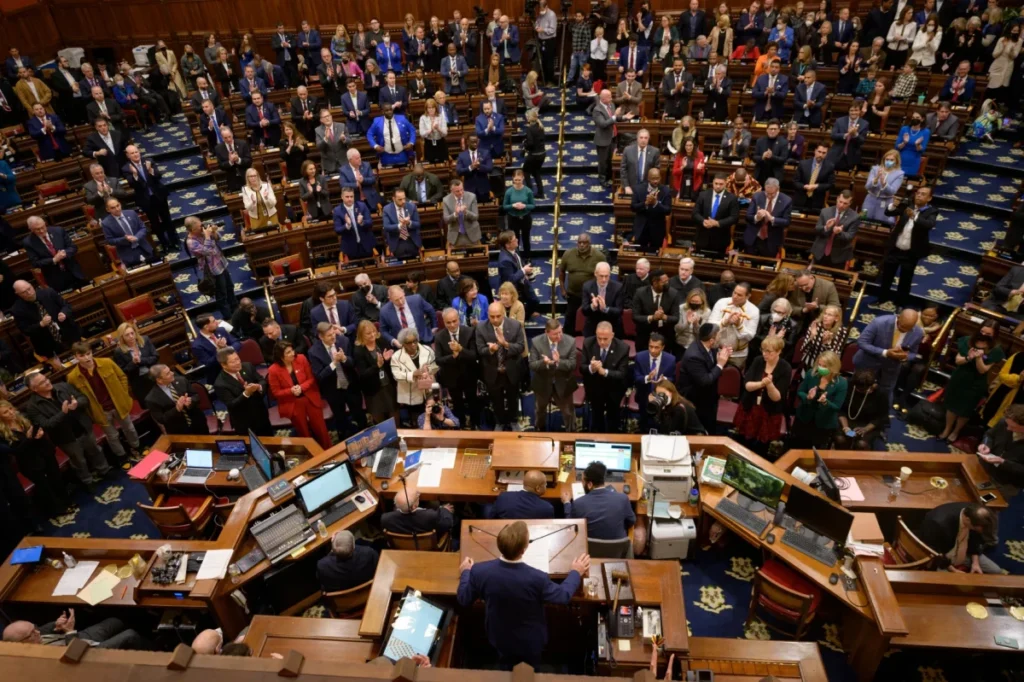
Norway fuel tax cuts 2026 approved despite government resistance
The Norway fuel tax cuts 2026 were passed by parliament even though the government had opposed the proposal. The measures include temporary reductions in fuel taxes and road tolls, set to take effect from April 1 through September 1.
Key measures included in the package
The approved plan introduces several relief policies aimed at reducing costs for both individuals and industries:
- Temporary reduction in road tolls nationwide
- Cuts to CO2-related fuel taxes
- Relief for industries such as construction, shipping, and fisheries
- Lower fuel costs for everyday motorists
The total cost of the package is estimated at approximately 6.7 billion Norwegian kroner, equivalent to around $630 million.
Why lawmakers supported the tax cuts
Supporters of the Norway fuel tax cuts 2026 argue that rising living costs have made it necessary to provide immediate relief. Many households and businesses rely heavily on transportation, making fuel prices a critical issue.
Political leaders backing the decision emphasized that economic realities outside government offices require urgent action. They pointed to increasing inflation and cost-of-living pressures as key reasons for approving the measures.
Government response to Norway fuel tax cuts 2026
Despite opposing the proposal, Finance Minister Jens Stoltenberg confirmed that the government would implement the decision in line with democratic principles.
He stated that respecting parliamentary decisions is essential in a functioning democracy, even when the government disagrees with the outcome.
Concerns raised by the government
Government officials expressed several concerns about the Norway fuel tax cuts 2026:
- Risk of increased public spending
- Potential impact on inflation
- Pressure on national budget stability
- Concerns about long-term economic planning
Officials warned that rushing such a costly policy could have unintended financial consequences for the country.
Political divisions and coalition tensions
The approval of the Norway fuel tax cuts 2026 has exposed divisions within the ruling coalition. While some parties supported the relief measures, others strongly opposed them, particularly those focused on environmental policies.
Opposition and environmental criticism
Critics argue that reducing fuel taxes undermines climate commitments and contradicts efforts to reduce carbon emissions. Environmental groups and political opponents have warned that the move could slow progress toward sustainability goals.
Some lawmakers also accused parliament of breaching prior budget agreements, raising concerns about policy consistency and governance.
Coalition disagreements intensify
The vote highlighted fractures within the governing alliance, as different parties prioritized economic relief over environmental commitments. This internal disagreement may have long-term implications for political stability.
Economic impact of Norway fuel tax cuts 2026
The economic implications of the Norway fuel tax cuts 2026 remain a central point of debate. While the policy aims to reduce costs for consumers, experts warn it could have broader financial effects.
Potential benefits
Supporters believe the tax cuts could:
- Lower transportation costs for businesses
- Provide short-term relief for households
- Support economic activity in key sectors
- Improve affordability for rural communities
Possible risks
However, critics highlight several risks:
- Increased government spending
- Higher inflationary pressure
- Risk of rising interest rates
- Reduced funding for public services
Prime Minister Jonas Gahr Støre warned that the decision could worsen economic conditions and contribute to price growth.
Broader context behind the policy decision
The Norway fuel tax cuts 2026 come amid broader global economic challenges, including rising energy costs and inflation. Many countries are facing similar debates over how to balance economic relief with environmental commitments.
Rising cost of living pressures
Across Europe, households have been grappling with higher fuel prices, increased transportation costs, and general inflation. Governments are under pressure to respond quickly to public concerns.
Climate policy versus economic relief
The decision also reflects a wider tension between short-term economic needs and long-term climate goals. While reducing fuel taxes may ease immediate burdens, it could conflict with sustainability targets.
What happens next after the Norway fuel tax cuts 2026
With the measures set to take effect from April 1, attention will now shift to their implementation and impact. The government has indicated it will follow parliament’s decision, despite reservations.
Key areas to watch
- Changes in fuel prices over the coming months
- Impact on inflation and interest rates
- Political developments within the coalition
- Public response to the relief measures
The temporary nature of the policy means lawmakers may revisit the issue later in the year, depending on economic conditions.
FAQ
Why did Norway approve fuel tax cuts in 2026?
The Norway fuel tax cuts 2026 were approved to ease financial pressure on households and businesses facing rising fuel costs and inflation.
How much will the Norway fuel tax cuts cost?
The total cost is estimated at around 6.7 billion Norwegian kroner, or approximately $630 million.
When will the fuel tax cuts take effect?
The measures are scheduled to run from April 1 to September 1, 2026.
What are the main criticisms of the policy?
Critics argue the cuts could increase inflation, strain the budget, and undermine climate commitments.
Conclusion
The Norway fuel tax cuts 2026 highlight the complex balance between economic relief and long-term policy goals. While the measures aim to support households and industries during a period of rising costs, they have also sparked debate over fiscal responsibility and environmental priorities. As the policy takes effect, its real impact on the economy and political landscape will become clearer in the months ahead.
PLEASE CLICK HERE FOR MORE NEWS