 0
0
 0
0
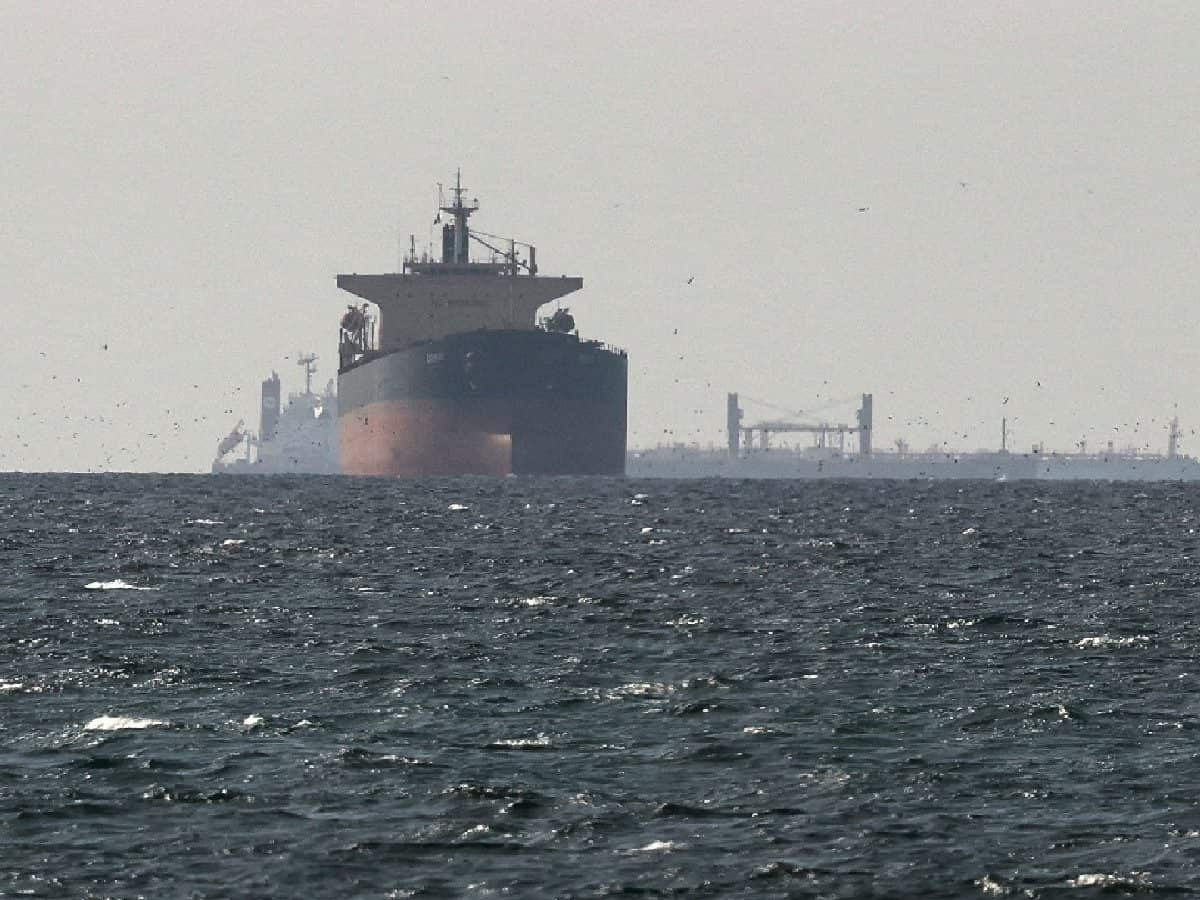
Iran Hormuz transit fees 2026 have introduced a significant shift in global maritime operations, with Tehran reportedly charging up to $2 million per vessel passing through the strategic Strait of Hormuz. The development comes amid escalating regional tensions and has raised concerns about global energy supply and economic stability.
Iran Hormuz Transit Fees 2026: Policy Announcement
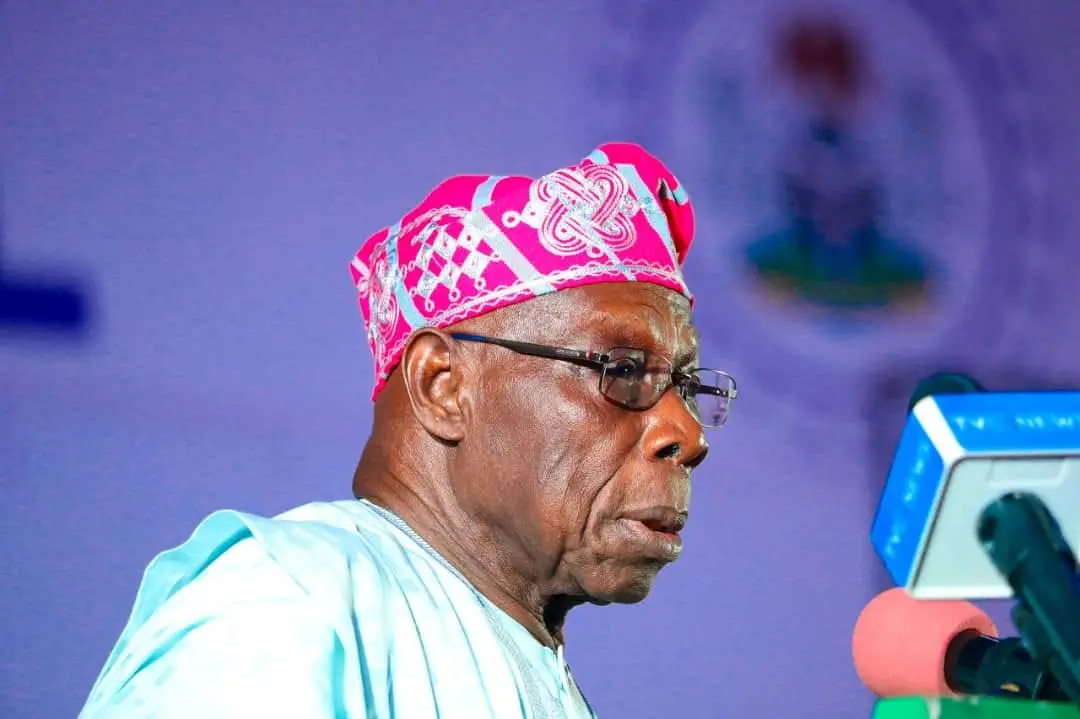
The policy was disclosed by Alaeddin Boroujerdi, a senior member of Iran’s parliamentary National Security and Foreign Policy Committee.
Key Details of the Transit Fees
- Approximately $2 million charged per vessel
- Applies to selected ships navigating the strait
- Presented as a reflection of Iran’s control and authority
Boroujerdi described the move as part of a “new concept of sovereignty” over the waterway, marking a shift in how Iran manages one of the world’s most critical maritime routes.
Strategic Importance of the Strait of Hormuz
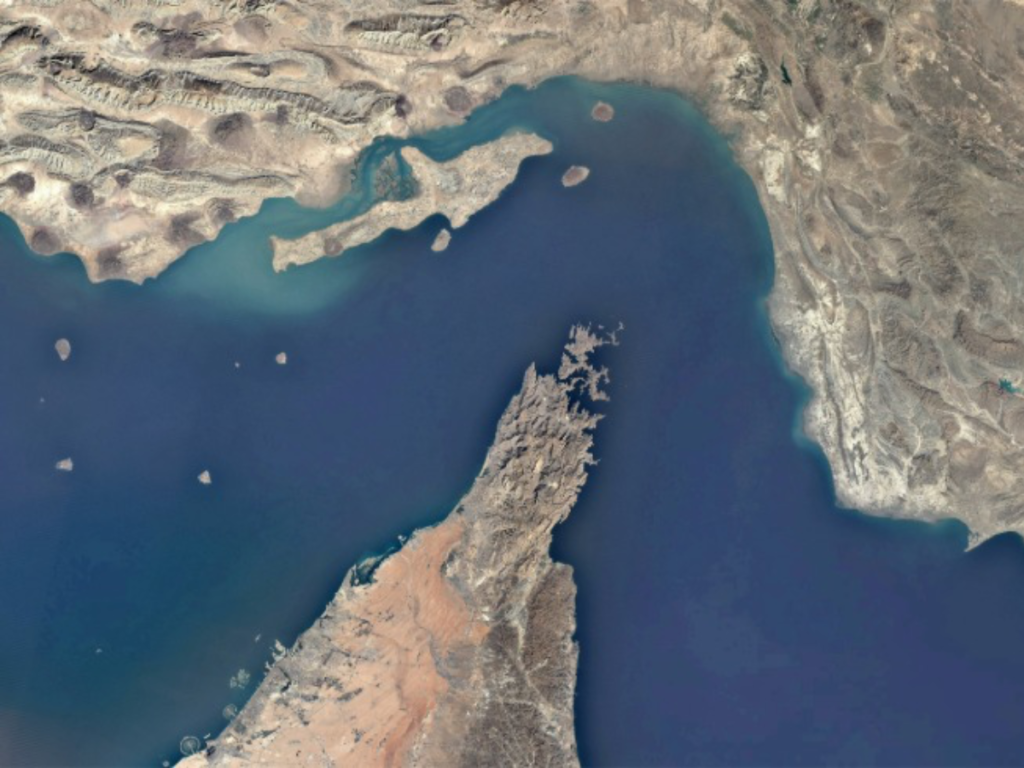
The Strait of Hormuz is one of the most vital energy chokepoints globally, making the Iran Hormuz transit fees 2026 particularly impactful.
Why the Strait Matters
- Handles around 20 million barrels of oil daily
- Accounts for roughly 20% of global liquefied natural gas trade
- Serves as a key route for energy exports from Gulf nations
Any disruption in this corridor has immediate consequences for global energy markets.
Iran Hormuz Transit Fees 2026: Impact on Global Markets
Rising Costs and Economic Pressure
- Increased shipping and insurance costs
- Surge in global oil prices
- Heightened concerns over economic instability
Shipping companies are now forced to reassess routes, costs, and risk exposure due to the added financial burden and security concerns.
Reduced Maritime Traffic
- Iran has reportedly restricted access to most vessels
- Ships without prior coordination risk being targeted
- Significant decline in overall maritime activity through the strait
This has further strained global supply chains, especially in energy-dependent economies.
Regional Tensions Driving the Policy
The Iran Hormuz transit fees 2026 are closely tied to escalating geopolitical conflict in the region.
Background of Escalation
- A joint offensive by United States and Israel began on February 28
- Reportedly resulted in over 1,300 deaths, including senior leadership figures
- Iran responded with drone and missile strikes
Countries Affected by Retaliation
- Israel
- Jordan
- Iraq
- Gulf nations hosting US military assets
These developments have disrupted aviation, trade, and financial markets globally.
Iran’s Assertion of Control
New Maritime Strategy
- Iran frames the fees as a demonstration of strategic dominance
- Officials emphasize long-term sovereignty over the strait
- Signals a shift in regional maritime governance
The Iran Hormuz transit fees 2026 reflect broader geopolitical positioning rather than a purely economic measure.
Broader Implications
Global Energy Security
- Potential for long-term supply disruptions
- Increased volatility in oil and gas markets
- Greater reliance on alternative energy routes
International Response
- Governments and energy companies are closely monitoring developments
- Possible diplomatic or economic responses may emerge
- Increased naval presence in the region could follow
FAQs
Why is Iran charging transit fees in the Strait of Hormuz?
Iran says the fees reflect its sovereignty and control over the waterway amid regional tensions.
How much are the transit fees?
The reported fee is approximately $2 million per vessel.
How does this affect global oil supply?
The Strait of Hormuz carries a large portion of global oil, so disruptions increase prices and affect supply chains.
Is the Strait of Hormuz fully closed?
Reports indicate it is effectively restricted, with access limited and closely controlled by Iranian authorities.
Conclusion
The Iran Hormuz transit fees 2026 highlight a major shift in control over one of the world’s most important maritime routes. With rising geopolitical tensions and economic consequences, the situation underscores the fragility of global energy supply chains and the far-reaching impact of regional conflicts.
PLEASE CLICK HERE FOR MORE NEWS