 0
0
 0
0
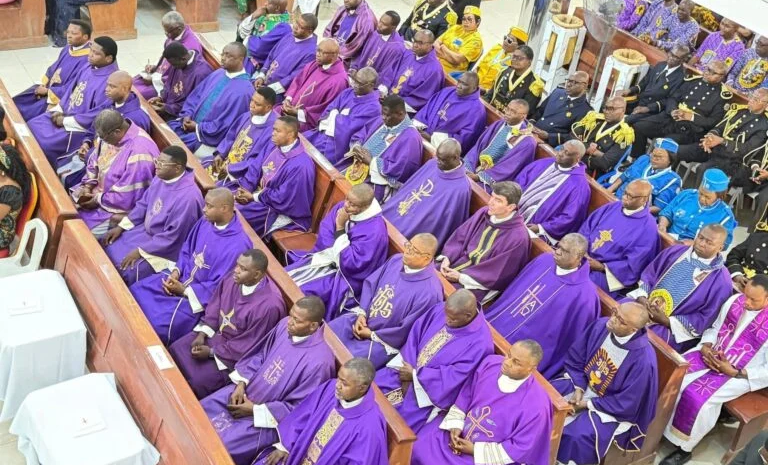
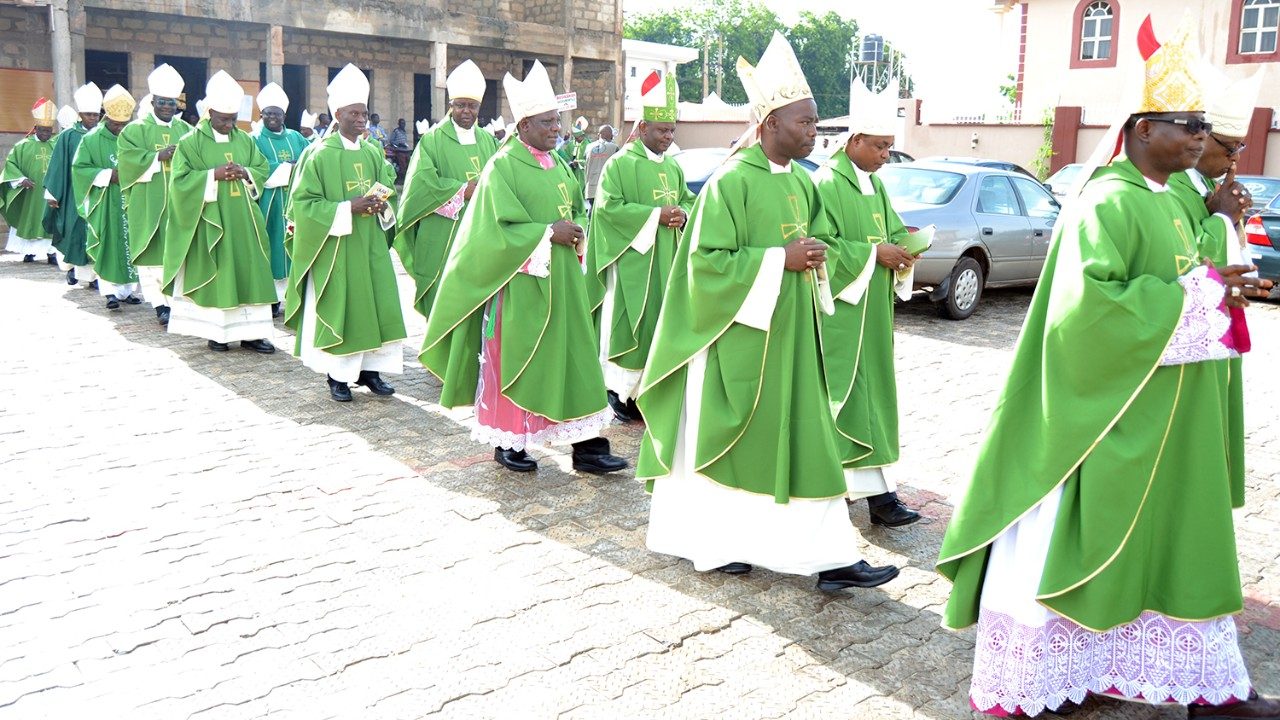
Nigerian bishops violence insurgency report was presented to Pope Leo XIV during the recent “ad limina” visit of Catholic bishops from Nigeria to Rome, held between March 1 and 16, 2026. The bishops used the meeting to highlight the growing threats faced by Christian leaders and communities in various parts of Nigeria.
Key Findings in the Nigerian Bishops Violence Insurgency Report
The “ad limina” visit, required by canon law every five years, provides Catholic bishops worldwide the opportunity to report directly to the pope about the state of their dioceses and local challenges.
Key Objectives of the Visit
- Present official diocesan reports to the Vatican.
- Discuss pressing issues affecting the clergy and laity in their regions.
- Highlight security concerns and human rights violations experienced by church members.
Archbishop Matthew Ndagoso of Kaduna, newly elected head of the Catholic Bishops’ Conference of Nigeria (CBCN), explained that the bishops submitted formal reports to the Vatican prior to the visit. He emphasized that beyond these written reports, they discussed ongoing violence, insurgencies, and other challenges confronting apostles on the ground.
Statements from Nigerian Bishops Highlighting Security Threats
The bishops’ meeting with Pope Leo XIV focused heavily on security challenges that affect not only Christians but all citizens in Nigeria.
Statements from Church Leaders
- Archbishop Adewale Martins of Lagos stated that Christian violence was a central topic in discussions with the pope. He said Pope Leo XIV pledged to use his influence to raise awareness and explore ways to assist affected communities.
- Cardinal John Onaiyekan, Archbishop Emeritus of Abuja, noted, “No one is safe in Nigeria today, whether Christian or Muslim,” underscoring the indiscriminate nature of attacks across religious lines.
Scope of the Threat
- Terrorist activities and insurgencies have targeted churches, schools, and communities in northern and central Nigeria.
- Reports indicate that both Christian and Muslim civilians have suffered fatalities and displacements due to ongoing attacks.
- The bishops highlighted that these crises impede peaceful coexistence, religious practice, and social stability in affected regions.
International Awareness and Response
The bishops’ report aligns with global attention on Nigeria’s security situation.
Vatican and Pope Leo XIV’s Support
- Last year, amid growing concerns over attacks against Christians, former U.S. President Donald Trump designated Nigeria as a Country of Particular Concern.
- In December, U.S. military operations targeted terrorist enclaves in Sokoto, warning that further interventions could follow if the Nigerian government did not curb terrorist violence.
Advocacy for Religious Freedom
- The bishops emphasized that their engagement with Pope Leo XIV was not limited to Christians but represented all Nigerians who wish to live safely and peacefully.
- They urged greater international advocacy and awareness regarding the humanitarian impact of insurgency and violence.
Broader Implications for Nigeria
The bishops’ report sheds light on the interconnected challenges of governance, security, and human rights in Nigeria.
Impact on Society
- Escalating violence threatens social cohesion and economic stability in affected states.
- Displacement of communities and the closure of schools and places of worship hinder education and development.
- The fear of attacks has led to reduced mobility, limited access to healthcare, and the breakdown of local infrastructure in high-risk areas.
Church-Led Initiatives
- Nigerian bishops continue to provide humanitarian support, counseling, and advocacy for affected communities.
- The Church also engages with local authorities to improve emergency response measures and safety protocols.
Pope Leo XIV’s Role
During the ad limina visit, Pope Leo XIV acknowledged the reports and expressed concern for the safety of clergy and laypeople in Nigeria.
- The pope committed to highlighting the situation within Vatican networks.
- He encouraged continued dialogue between church leaders, governmental authorities, and international organizations to mitigate violence.
- Emphasis was placed on fostering peaceful coexistence among Christians, Muslims, and other faith communities.
Call for Accountability and Action
The bishops underscored the need for decisive action to protect citizens and religious leaders:
- Strengthen counterterrorism measures and improve security infrastructure.
- Enhance community engagement programs to prevent radicalization.
- Encourage transparent reporting of attacks and coordination with international partners.
- Promote interfaith dialogue to reduce sectarian tensions.
FAQ Section
What did Nigerian bishops report to Pope Leo XIV in 2026?
They highlighted widespread violence, insurgency, and the risks faced by apostles and communities across Nigeria, stressing the need for international awareness.
Are Christians the only victims of violence in Nigeria?
No, bishops reported that Muslims and other civilians are also affected, emphasizing that attacks are indiscriminate.
What actions has the international community taken?
The United States designated Nigeria a Country of Particular Concern and conducted targeted military operations against terrorist enclaves in Sokoto.
How does the Catholic Church respond to insurgency?
Through advocacy, humanitarian aid, counseling, and collaboration with authorities to protect communities and ensure religious freedom.
Conclusion
The Nigerian bishops violence insurgency report to Pope Leo XIV highlights the urgent security challenges facing Nigeria, affecting both Christians and Muslims. The ad limina visit underscores the Church’s commitment to advocacy, peacebuilding, and engagement with global leaders. As violence persists, collaboration between local authorities, religious institutions, and international partners remains critical for ensuring safety, promoting religious freedom, and fostering lasting social stability.
Click here for more news