 0
0
 0
0
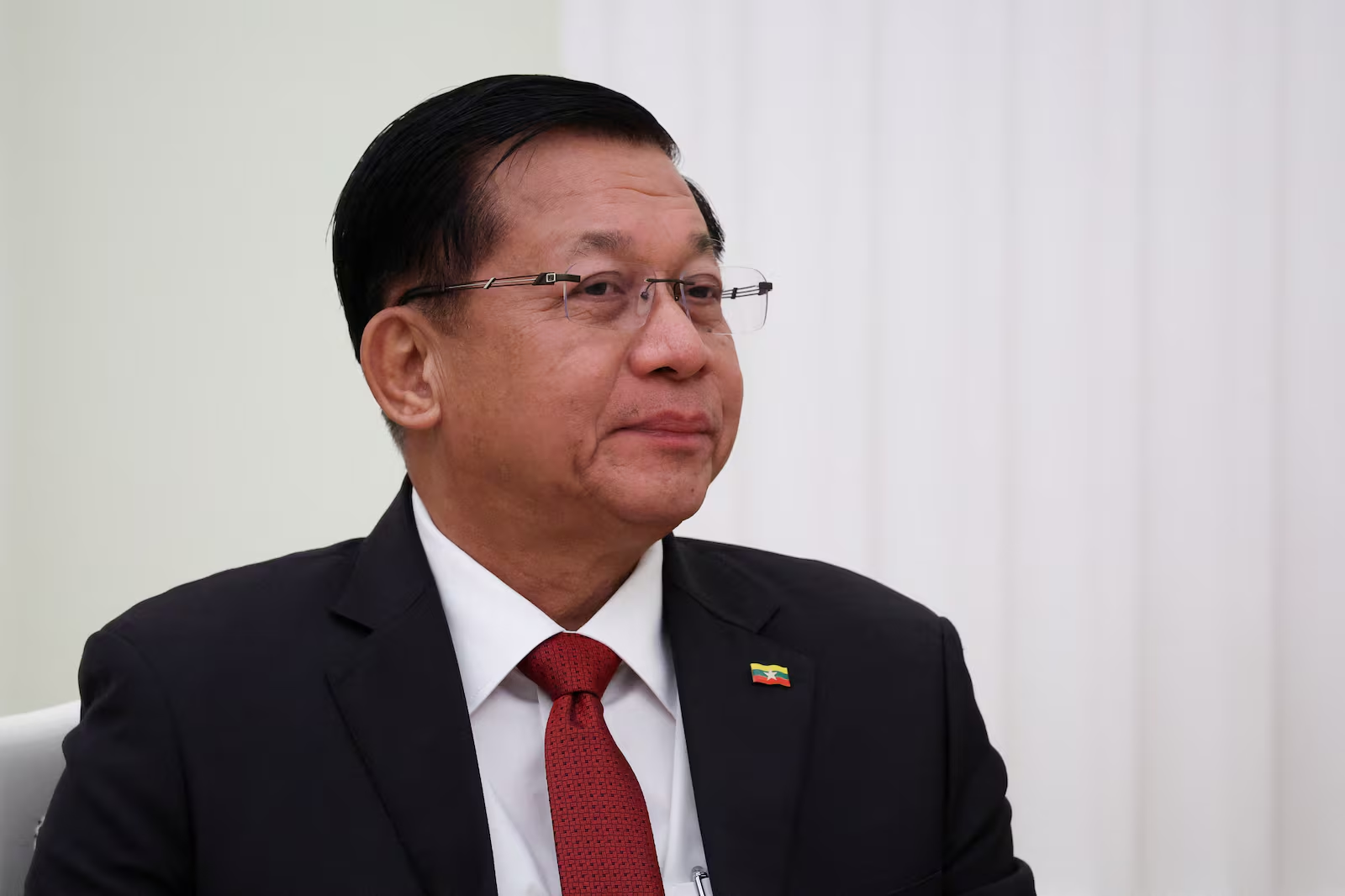
Myanmar 2026 presidential election junta developments have intensified as the country prepares to select a new president, with widespread expectations that military chief Min Aung Hlaing will secure the position. This pivotal election comes amid ongoing political tensions following the 2021 military coup that removed the civilian government.
Election Timeline and Process
Myanmar’s parliament, the Pyidaungsu Hluttaw, confirmed that the formal process to elect a new president will begin on March 30, 2026. The election will feature nominations from three sources: the military, the upper house, and the lower house of parliament. Each body selects a candidate to move to the vetting stage.
Candidate Vetting
-
Nominees are scrutinized to ensure eligibility.
-
Parliament votes among the three candidates.
-
The candidate with the majority becomes president; the other two serve as vice-presidents.
Officials have not disclosed the duration of the vetting process or the exact date for the final vote.
Min Aung Hlaing’s Anticipated Presidency
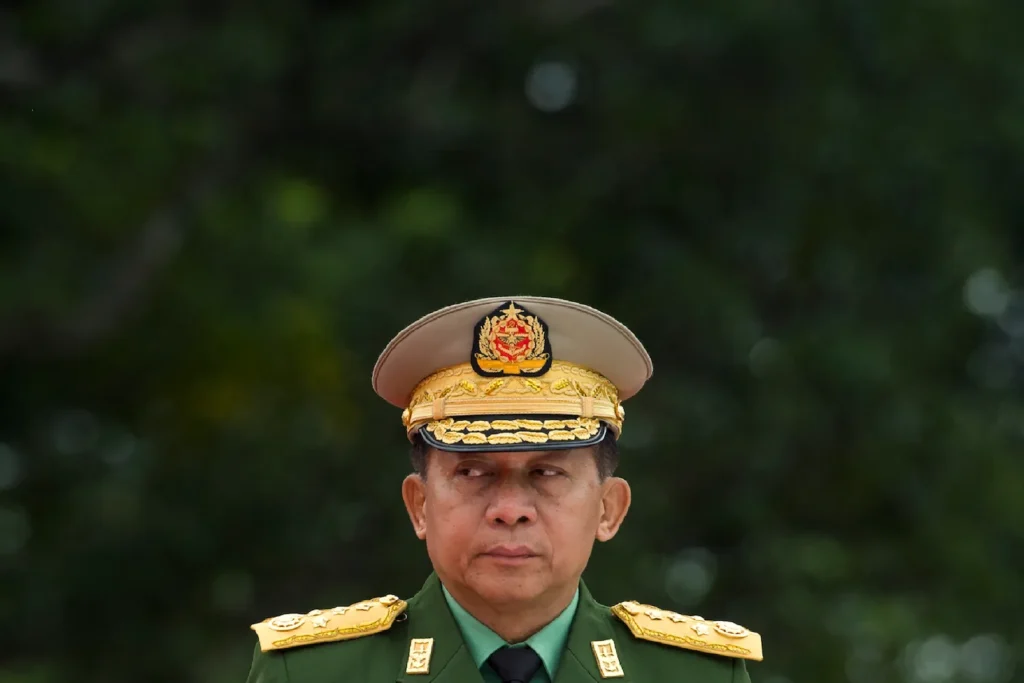
Junta chief Min Aung Hlaing is widely expected to win the Myanmar 2026 presidential election junta vote. Analysts emphasize that constitutional rules require him to step down as commander-in-chief before running.
Constitutional Requirements
-
Myanmar’s 2008 constitution prevents active civil servants from running for president.
-
Min Aung Hlaing is expected to resign from his military post before March 30.
-
This procedural step ensures eligibility but does not reduce his political control.
Military Influence Remains
Experts warn that the military and its party, the Union Solidarity and Development Party, will continue to dominate political decisions even after the election.
-
Analysts describe the outcome as moving from a “military-clad” to a “civilian-clothed” dictatorship.
-
Elections held in December and January reinforced the military’s grip on power.
Historical Context
Myanmar has experienced political unrest since early 2021 when the military ousted the elected government of Nobel laureate Aung San Suu Kyi. The coup sparked nationwide protests and eventually an armed resistance across multiple regions.
Civilian vs. Military Governance
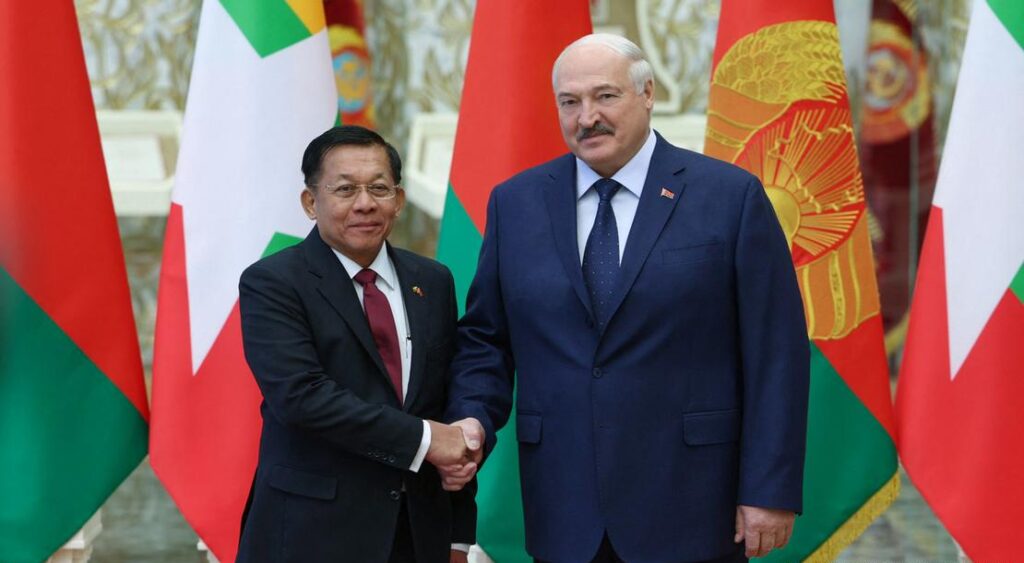
-
The ousted civilian government promoted democratic reforms.
-
After the coup, the military consolidated power through controlled elections.
-
The 2026 election represents a continuation of military dominance under constitutional cover.
Regional and International Reactions
Observers in Southeast Asia and human rights organizations remain skeptical about Myanmar’s 2026 presidential election junta process. Concerns center on legitimacy and potential suppression of opposition.
Diplomatic Implications
-
International scrutiny continues over compliance with democratic norms.
-
Foreign relations may shift depending on perceptions of election fairness.
-
Economic and humanitarian aid could be affected by junta consolidation.
Domestic Response and Uncertainty
Although Min Aung Hlaing is favored, ongoing conflict and anti-junta sentiment create uncertainty. Armed resistance and civil unrest continue to challenge the political landscape.
Key Domestic Considerations
-
Security issues could affect election timelines and voter turnout.
-
Opposition groups and civil society organizations remain limited in influence.
-
Genuine democratic transition appears unlikely under the current system.
Implications for Democracy in Myanmar
The Myanmar 2026 presidential election junta outcome is widely viewed as reinforcing military control. While constitutional procedures are followed, the broader power dynamics suggest limited change in governance.
Long-Term Outlook
-
Analysts indicate the election will not signify true democratic transition.
-
Military-backed governance will likely persist.
-
Political freedoms and civil liberties remain under threat.
Looking Ahead
As Myanmar moves toward March 30, attention will focus on candidate vetting, parliamentary voting, and junta maneuvers to consolidate control. Regional and international observers will continue evaluating the election’s credibility.
Observers’ Perspectives
-
The election reinforces military dominance rather than offering genuine democratic reform.
-
Analysts describe the transition as a “civilian-clothed” dictatorship.
-
Anti-junta protests and armed resistance reflect continued tension between civilian aspirations and military authority.
FAQ
Q1: Who is expected to win the Myanmar 2026 presidential election junta vote?
A1: Military chief Min Aung Hlaing is the most likely candidate to be elected president.
Q2: How does Myanmar elect its president in 2026?
A2: The military, upper house, and lower house each nominate a candidate. After vetting, parliament votes to select one president and two vice-presidents.
Q3: Why must Min Aung Hlaing step down from the military to run for president?
A3: Myanmar’s 2008 constitution prohibits active civil servants, including military officers, from presidential candidacy.
Q4: How will the 2026 election affect Myanmar’s democracy?
A4: Analysts suggest it will maintain military dominance and mark a “civilian-clothed” dictatorship rather than true democratic reform.
The Myanmar 2026 presidential election junta process demonstrates the ongoing struggle for democracy in the country. While constitutional formalities are observed, military influence continues to define governance, limiting political freedom and civilian control.
Please Click Here For More News