 0
0
 0
0
China Southeast Asia energy security cooperation 2026 is emerging as a key development as Beijing signals readiness to work with regional partners to address growing fuel shortages and supply disruptions. The move comes amid ongoing instability linked to conflict in the Middle East, which has affected global energy markets.
China Signals Willingness to Cooperate
Official Statement from Beijing
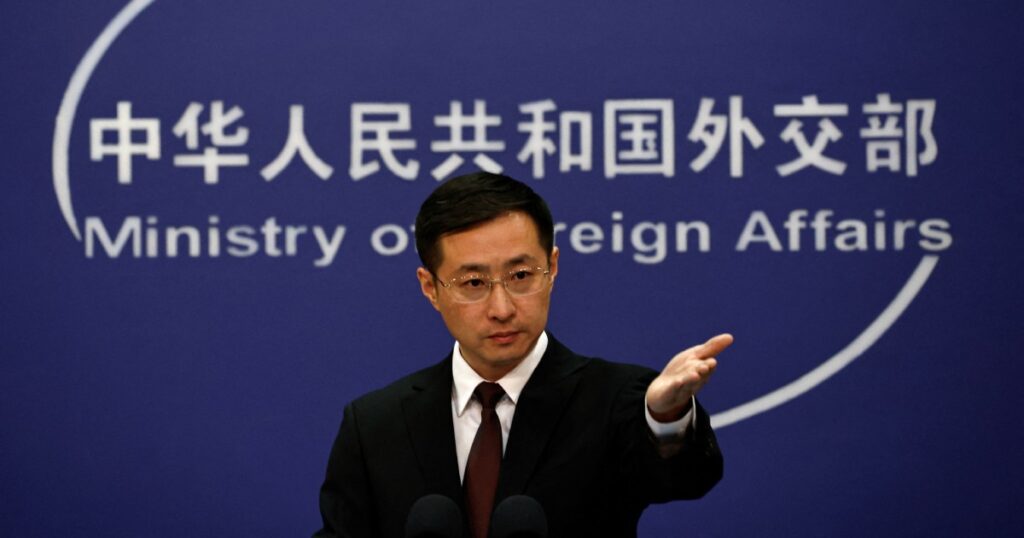
A spokesperson for China’s foreign ministry, Lin Jian, confirmed that the country is open to strengthening cooperation with Southeast Asian nations.
He emphasized that:
-
Global energy security has been disrupted
-
Regional stability is under pressure
-
Cooperation is necessary to manage supply challenges
The China Southeast Asia energy security cooperation 2026 initiative reflects Beijing’s response to these concerns.
Call for Ceasefire
China also urged parties involved in the Middle East conflict to halt military operations. Officials warned that continued escalation could further destabilize global markets and economic growth.
Impact of Middle East Conflict on Energy Supply
Disruptions to Global Markets
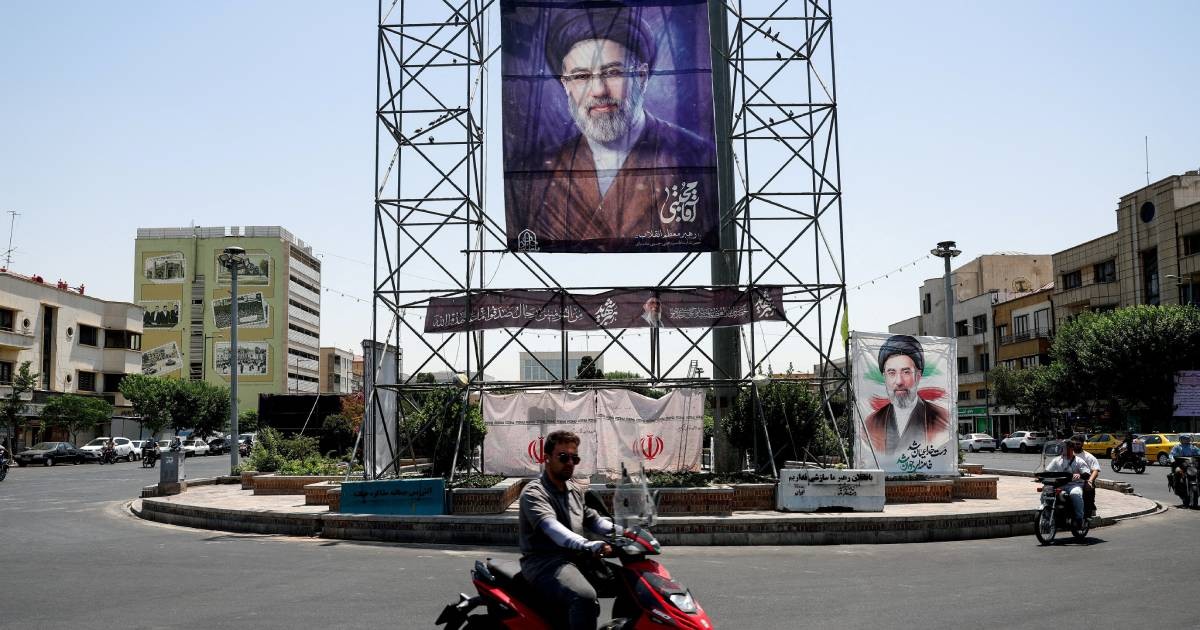
The conflict involving Iran has significantly affected oil supply chains.
Key consequences include:
-
Reduced availability of crude oil and refined products
-
Increased global fuel prices
-
Supply chain bottlenecks
These challenges have intensified the need for China Southeast Asia energy security cooperation 2026.
Pressure on Southeast Asian Economies
Southeast Asia, home to over 700 million people, relies heavily on imported energy. Countries in the region have been particularly vulnerable to supply disruptions.
Nations such as the Philippines and Cambodia are already experiencing fuel shortages and price volatility.
China’s Export Restrictions and Regional Impact
Fuel Export Ban
Earlier in March 2026, China imposed a ban on exports of:
-
Diesel
-
Gasoline
-
Jet fuel
This decision added pressure to regional energy markets, especially for countries dependent on Chinese supply.
Potential Policy Adjustment
Any easing of the export ban could provide relief to Southeast Asian economies. Analysts suggest that the China Southeast Asia energy security cooperation 2026 discussions may lead to:
-
Partial lifting of restrictions
-
Increased fuel supply
-
Stabilization of prices
Strengthening Regional Partnerships
Diplomatic Engagements
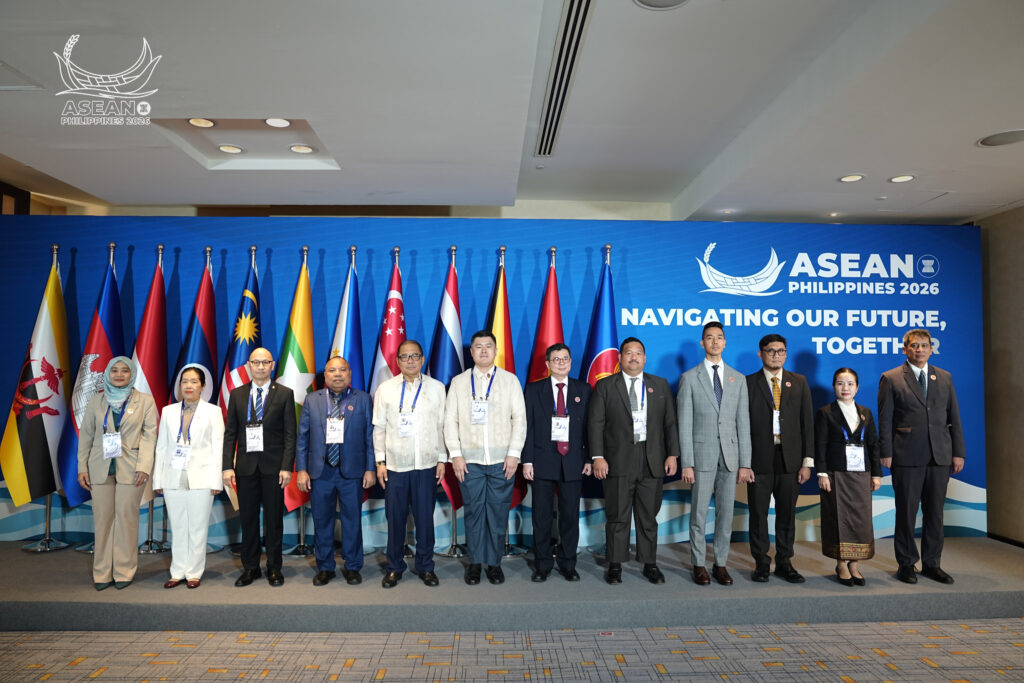
Recent diplomatic interactions indicate a shift toward cooperation. For instance, the Philippine Energy Secretary met with China’s ambassador to discuss energy collaboration.
This engagement marks a notable development given previous tensions between the two countries, particularly over maritime disputes in the South China Sea.
Broader Regional Cooperation
China’s proposal includes:
-
Enhanced coordination on energy supply
-
Joint strategies to manage shortages
-
Strengthening economic ties
These efforts align with the broader goals of China Southeast Asia energy security cooperation 2026.
Strategic Importance of Southeast Asia
A Key Energy Market
Southeast Asia represents a critical region for global energy demand due to:
-
Rapid economic growth
-
Increasing industrialization
-
Rising population
Ensuring energy stability in the region is essential for global economic balance.
China’s Role in Regional Energy
As the world’s largest oil refining hub, China plays a crucial role in energy distribution. Its ability to supply refined products makes it a key partner for Southeast Asian countries.
The China Southeast Asia energy security cooperation 2026 initiative highlights this strategic importance.
Broader Implications for Global Economy
Economic Stability
Energy disruptions can have ripple effects across global markets, affecting:
-
Transportation costs
-
Manufacturing output
-
Inflation rates
Cooperation between China and Southeast Asia could help mitigate these risks.
Geopolitical Considerations
The initiative also reflects shifting geopolitical dynamics, where economic cooperation may help ease tensions and promote stability in the region.
Key Takeaways
-
China has offered to work with Southeast Asia on energy security
-
Middle East conflict has disrupted global fuel supply
-
Export restrictions by China have added pressure to regional markets
-
Cooperation could ease shortages and stabilize prices
-
Diplomatic engagement is increasing despite past tensions
FAQ
Q1: What is China Southeast Asia energy security cooperation 2026?
A1: It refers to China’s efforts to collaborate with Southeast Asian countries to address energy shortages and supply disruptions.
Q2: Why is energy security a concern now?
A2: Ongoing conflict in the Middle East has disrupted global oil supply chains, affecting fuel availability and prices.
Q3: How does China’s export ban affect Southeast Asia?
A3: The ban reduces fuel supply, increasing shortages and price pressures in the region.
Q4: What could improve the situation?
A4: Cooperation, policy adjustments, and easing export restrictions could help stabilize energy markets.
Conclusion
The China Southeast Asia energy security cooperation 2026 initiative reflects a growing need for coordinated action in response to global energy disruptions. As supply challenges persist, collaboration between major energy players and regional economies will remain essential in maintaining stability and supporting economic growth.
PLEASE CLICK HERE FOR MORE NEWS