 0
0
 0
0
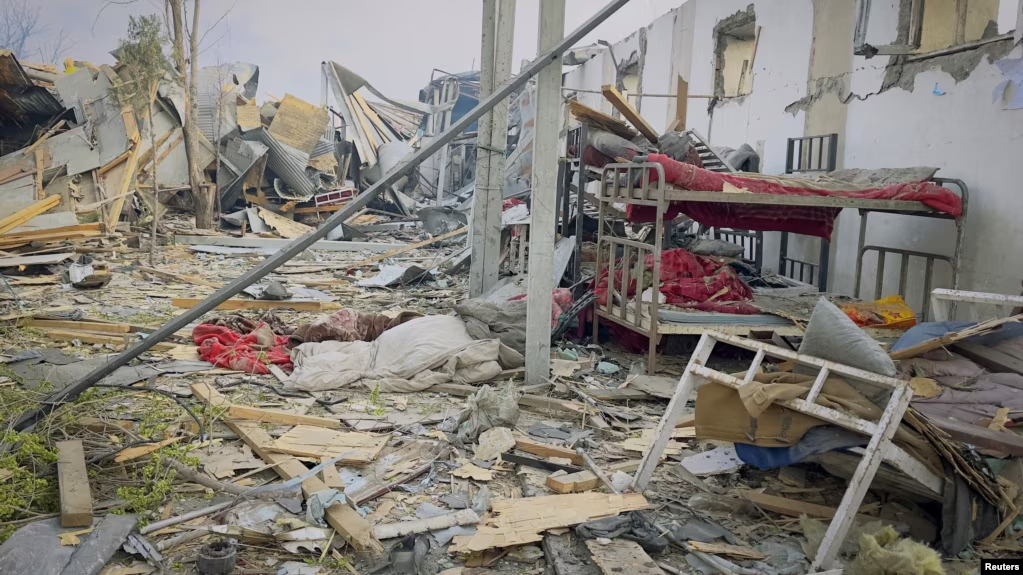
Kabul hospital air strike 2026 has left hundreds dead and many more injured, according to claims by the Afghan Taliban, sparking international concern and calls for independent investigation. The incident reportedly occurred late on March 16, targeting the Omid Addiction Treatment Hospital in Kabul, a 2,000-bed facility specializing in substance-abuse rehabilitation.
Details of the Reported Air Strike
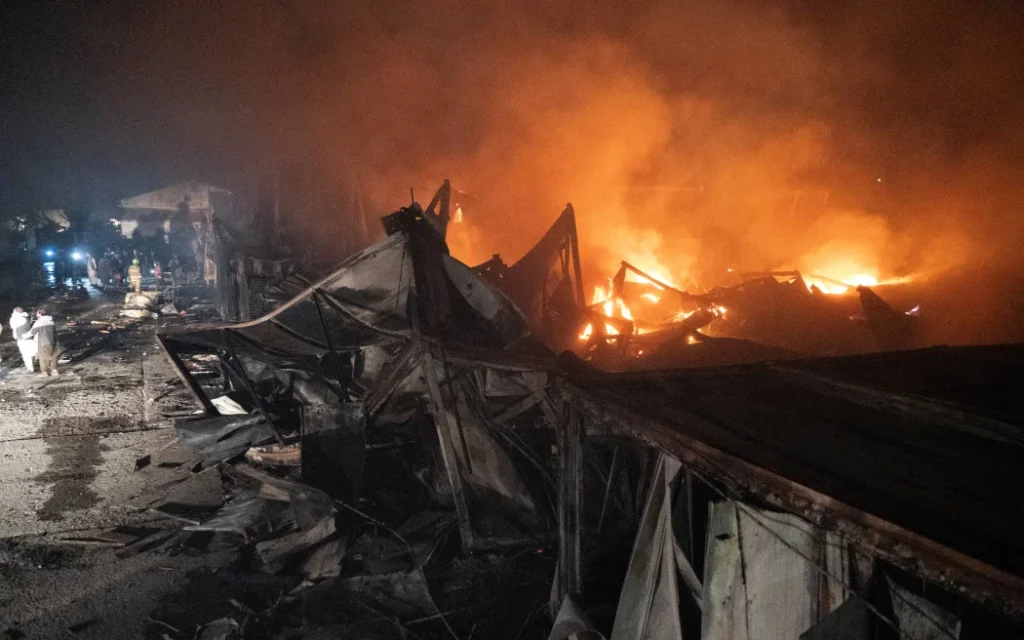
The Afghan Taliban stated that the strike killed at least 400 people and injured 250 others. Hamdullah Fitrat, deputy spokesman for the Taliban government, described large sections of the hospital as destroyed and said emergency teams were working to rescue survivors and recover bodies.
Timing and Location
-
The strike allegedly took place at approximately 9 p.m. local time on March 16.
-
Omid Hospital is located in Kabul and caters primarily to patients seeking treatment for drug addiction.
-
The facility reportedly housed hundreds of patients at the time of the attack.
Immediate Aftermath
-
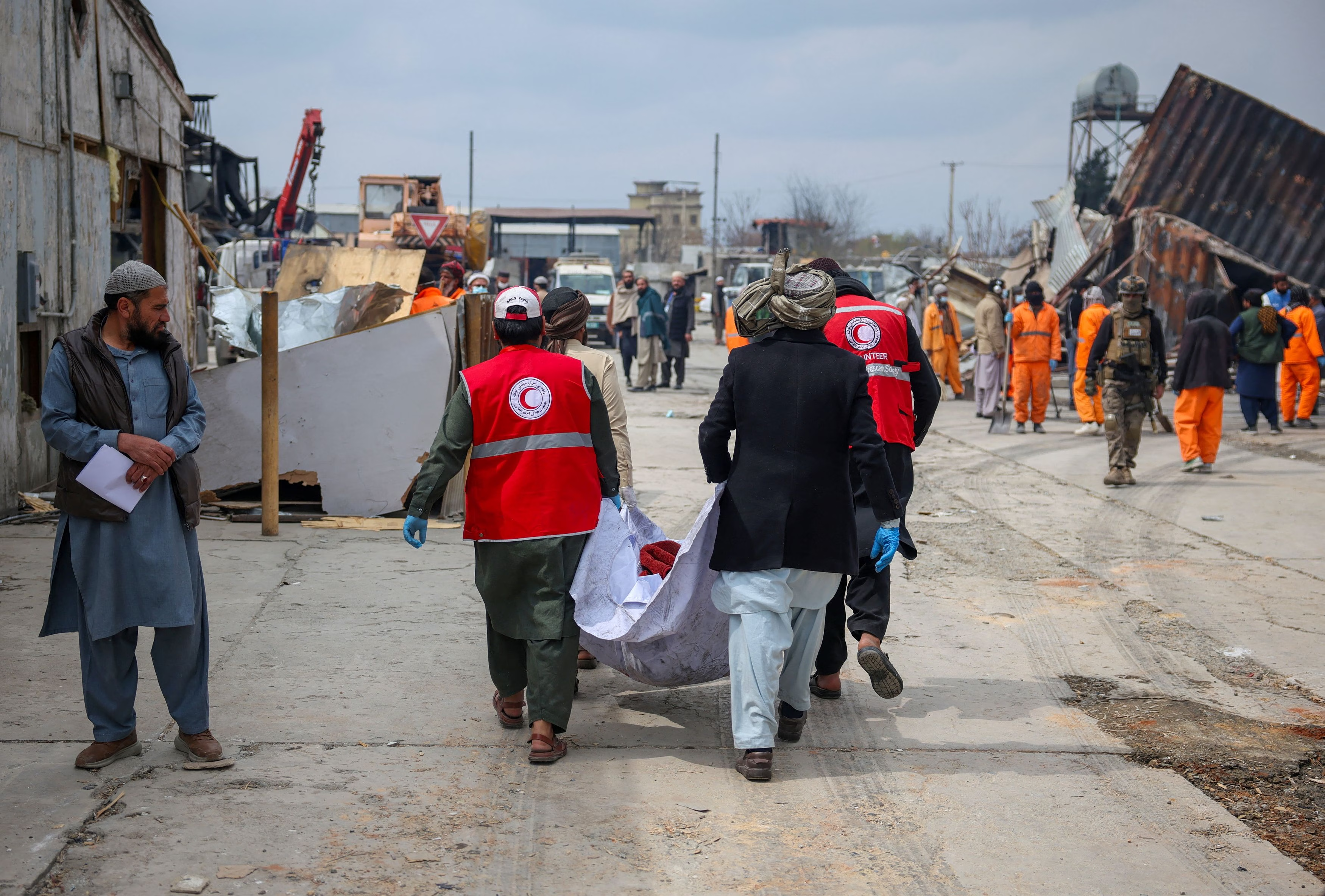
Witnesses described “total destruction” at the hospital site.
-
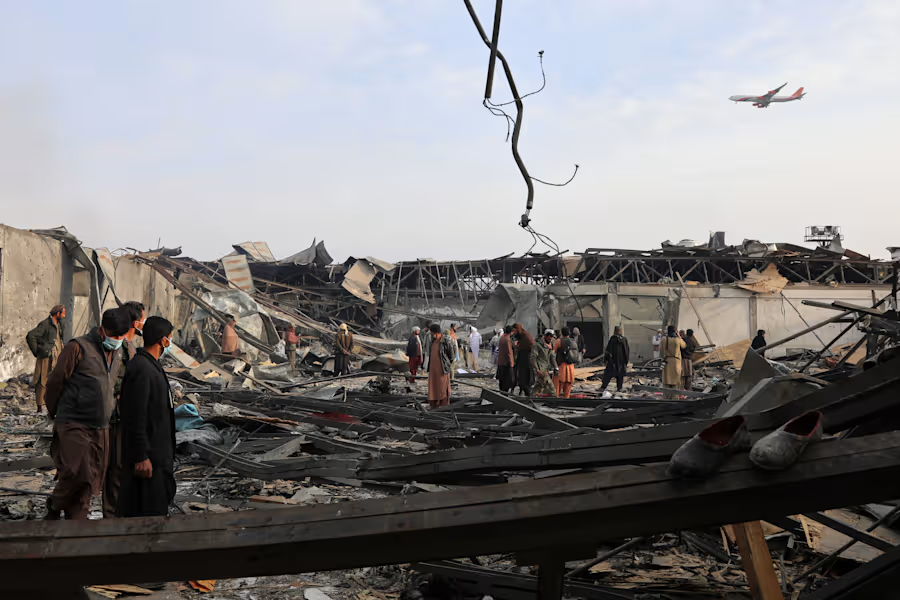
Hundreds of relatives were reported searching for loved ones among the rubble.
-
Rescue operations were launched immediately, though access to affected areas remained challenging.
Pakistan’s Response and Denial
Pakistan rejected claims that civilians or hospitals were deliberately targeted. The country’s Information Ministry asserted that the air strike aimed at military installations and “terrorist support infrastructure” in Kabul and Nangarhar Province.
Pakistani Official Statement
-
Attaullah Tarar, Information Minister, said technical support infrastructure and ammunition storage were the primary targets.
-
Secondary explosions visible after the strike were cited as evidence of large ammunition depots.
-
Pakistan maintained that civilian facilities, including hospitals, were not intentionally hit.
Verification Challenges
Independent verification of the claims from either side has been difficult due to ongoing hostilities and restricted access to the affected areas.
UN Response and Call for Investigation
The UN Human Rights Office called for a “prompt, independent, and transparent” investigation into the reported air strike on the hospital.
Statement Highlights
-
Those responsible should be held accountable according to international standards.
-
Witnesses described the scene as one of total devastation with hundreds of civilians affected.
-
The UN emphasized the protection of civilians under international law.
Broader Civilian Impact
Since the escalation of hostilities between Pakistan and Afghanistan last month:
-
At least 289 Afghan civilians have been killed or injured.
-
The casualties include 104 children and 59 women.
-
Tens of thousands of civilians have been displaced due to the fighting.
Implications for Regional Security
The Kabul hospital air strike 2026 incident further heightens tensions between Pakistan and Afghanistan. Analysts warn that such attacks, whether intentional or collateral, risk escalating hostilities and triggering humanitarian crises.
Potential Diplomatic Fallout
-
The air strike could strain ongoing peace and cooperation efforts.
-
International actors may pressure both countries to adhere to civilian protection protocols.
-
Calls for transparent investigations may affect bilateral and regional relations.
Humanitarian Concerns
-
Hospitals and medical facilities remain vulnerable during cross-border military operations.
-
Delays in medical aid and rescue operations could exacerbate casualties.
-
Displacement and trauma may have long-term effects on affected communities.
Historical Context
The Pakistan-Afghanistan border has been volatile for decades, with periodic military actions, cross-border tensions, and disputes over insurgent activities.
Prior Incidents
-
The recent escalation started at the end of last month, increasing civilian casualties.
-
Cross-border air strikes and ground skirmishes have repeatedly endangered civilians.
-
Hospitals, schools, and residential areas have been affected in previous incidents.
International Community Reactions
Global organizations and human rights bodies are monitoring the situation closely.
Key Reactions
-
UN officials call for adherence to international humanitarian law.
-
Human rights groups stress accountability for civilian deaths.
-
Observers warn of worsening humanitarian crises if tensions persist.
Next Steps for Investigation
The UN and international observers are likely to pursue:
-
Independent field assessments of the air strike site.
-
Documentation of casualties and damages.
-
Coordination with both Afghan and Pakistani authorities for accurate reporting.
Challenges to Transparency
-
Restricted access to conflict zones
-
Security risks for investigators
-
Conflicting narratives from both governments
FAQ
How many people were killed in the Kabul hospital air strike?
According to the Afghan Taliban, at least 400 people were killed.
Did Pakistan admit to targeting the hospital?
No, Pakistan stated that the strike targeted military infrastructure and denied deliberately hitting civilians.
What is the UN’s stance on the incident?
The UN Human Rights Office called for an independent and transparent investigation and emphasized accountability under international standards.
How has the conflict affected civilians recently?
Since the escalation, at least 289 Afghan civilians have been killed or injured, and tens of thousands displaced.
Conclusion
The Kabul hospital air strike 2026 underscores the grave consequences of escalating hostilities in the Afghanistan-Pakistan region. With hundreds reportedly killed and many more injured, international scrutiny is mounting, and calls for accountability and humanitarian protections are intensifying. Transparent investigations and adherence to international laws remain critical to prevent further civilian casualties.