 0
0
 0
0
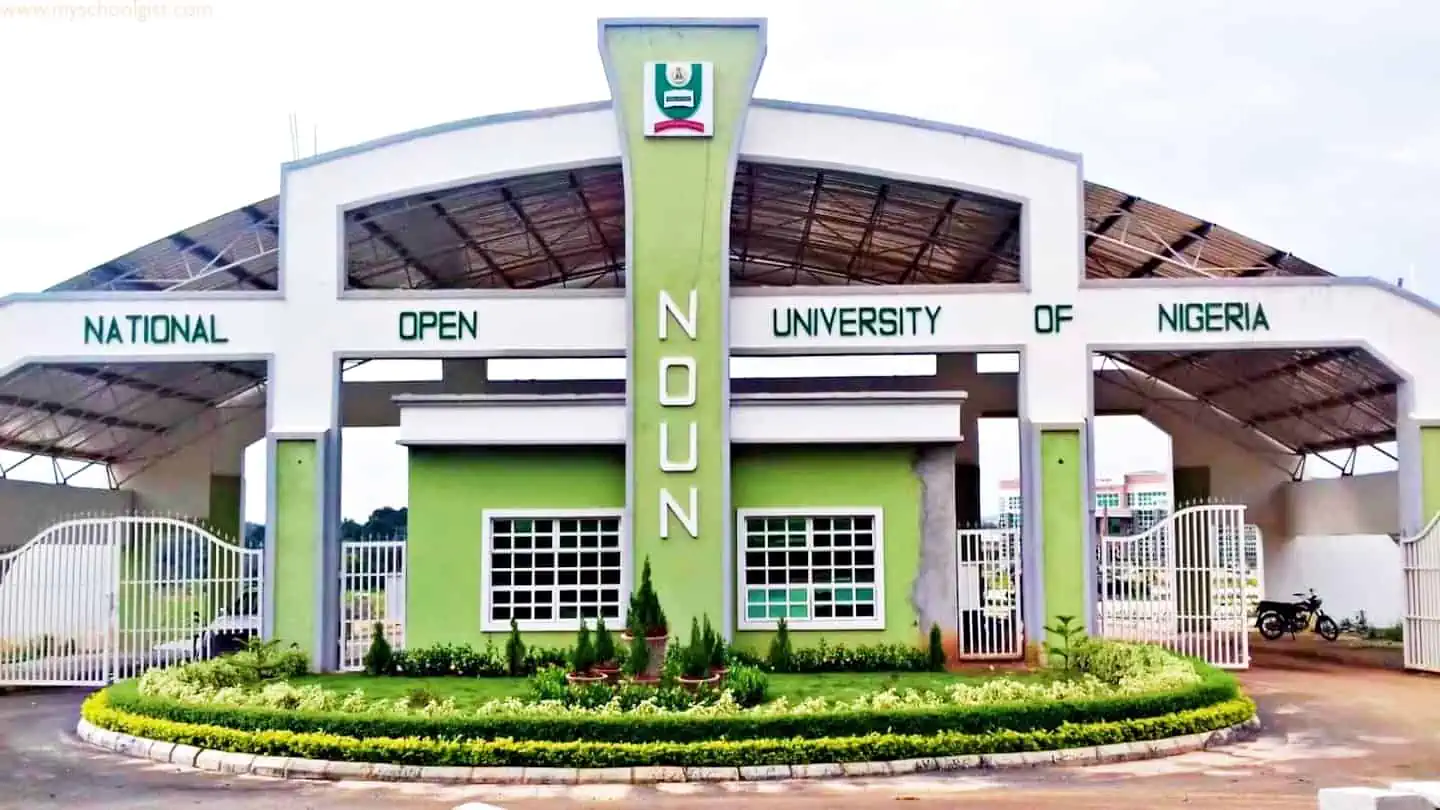
NOUN inclusive planning has been emphasised as a vital strategy to expand access and improve the quality of education in Nigeria’s open universities.
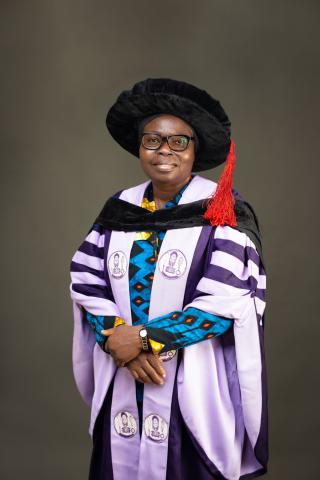
Professor Obhajajie Juliet Inegbedion of the National Open University of Nigeria made the call during the 38th inaugural lecture of the university held on Thursday in Abuja.
Titled Breaking Barriers: Planning and Expanding the Frontiers of the Open University, the lecture focused on addressing structural inequalities and promoting inclusive educational frameworks.
Breaking Barriers Through Inclusive Planning
As NOUN inclusive planning is advocated, Professor Inegbedion explained that open universities must consider the diverse profiles of learners. She highlighted that barriers in open education—ranging from language and connectivity challenges to emotional and geographical obstacles—can only be addressed through deliberate policies and strategic planning.
Key areas identified include open courses, open science, and open technology, all designed to remove obstacles and make higher education more accessible to students who cannot attend conventional universities.
Distinguishing Open and Distance Education
The professor stressed the importance of distinguishing between open universities and distance education to avoid regulatory confusion.
She stated that open universities were created to democratize education and provide flexible pathways that support lifelong learning and social justice. By emphasizing this distinction, NOUN inclusive planning can better address policy gaps and improve institutional performance.
“If we are truly committed to breaking barriers and expanding the frontiers of open university education, we must move beyond rhetoric and embrace a transformative agenda,” she said.
Proposed Reforms for Open Universities
Professor Inegbedion proposed reforms aligned with NOUN inclusive planning, including:
-
Regulatory differentiation between open and distance education institutions
-
Flexible accreditation systems that integrate emerging technologies
-
Modular learning structures to support diverse learner needs
-
Policies to enhance digital inclusion and learner support
These measures aim to make open universities more responsive to societal and technological changes while broadening access for all learners.
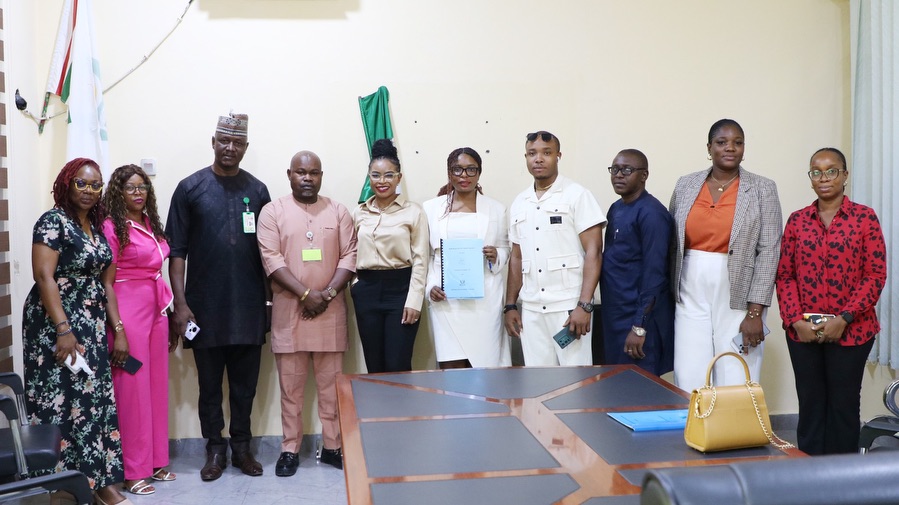
University Leadership’s Response
The Vice-Chancellor, Uduma Oji Uduma, encouraged professors to deliver inaugural lectures promptly after achieving professorship to strengthen academic discourse.
The Deputy Vice-Chancellor (Academics), Chiedu Mafiana, praised the lecture for its clarity and relevance, noting that the issues raised would be given further attention.
Former Vice-Chancellor, Olufemi A. Peters, also attended and expressed support for the focus on inclusive educational planning.
What This Means for Nigeria Higher Education
As NOUN Don advocates inclusive planning, the lecture highlights broader conversations about access, equity, and technology driven learning in Nigeria higher education system.
Open universities play a critical role in providing educational opportunities to working professionals, remote learners, and individuals unable to attend conventional institutions.
Observers say that adopting inclusive planning frameworks could position open universities as central pillars in national development strategies.
With growing reliance on digital education platforms globally, the emphasis on inclusive, technology responsive policies may shape the future of tertiary education in Nigeria.
PLEASE CLICK HERE FOR MORE NEWS