

 0
0
 0
0
Ramadan in China unfolds as both a spiritual journey and a vibrant communal celebration, where the rhythm of drums, shared prayers and steaming bowls of traditional dishes bring Muslim neighborhoods to life.
As dusk settles over Nagu town in southern Yunnan province, the sound of drums signals the beginning of the fasting month. Families gather, shopkeepers pause, and children walk beside elders toward the historic Najiaying Mosque, where generations have welcomed Ramadan with faith and festivity.
Just steps away, a lively Ramadan bazaar fills the streets with the aroma of grilled meats, rice noodles and sweet milk tea. For the town’s Muslim population, the holy month blends devotion, memory and community bonding.
Ramadan in China Coincides With Chinese New Year
This year, Ramadan in China coincides with Chinese New Year, making the season even more special. Millions travel home during the holiday, allowing many Muslim families to observe and break their fast together.
China is home to an estimated 25 million Muslims, primarily from the Hui and Uyghur communities. Across provinces such as Yunnan and Qinghai, Ramadan traditions reflect local cultures and long-standing Islamic heritage.
Preparation begins days in advance. Families shop for special ingredients, purchase new clothes and plan gatherings for suhoor and iftar.
The Ramadan Bazaar Feels Like a Festival
In Najiaying, the Ramadan market is the centerpiece of celebrations. The bazaar opens days before the fasting month and stays active even after it ends.
Vendors sell barbecued meats, pastries, rice noodles and milk tea, attracting visitors from neighboring towns. The festive atmosphere draws both Muslims and non-Muslims.
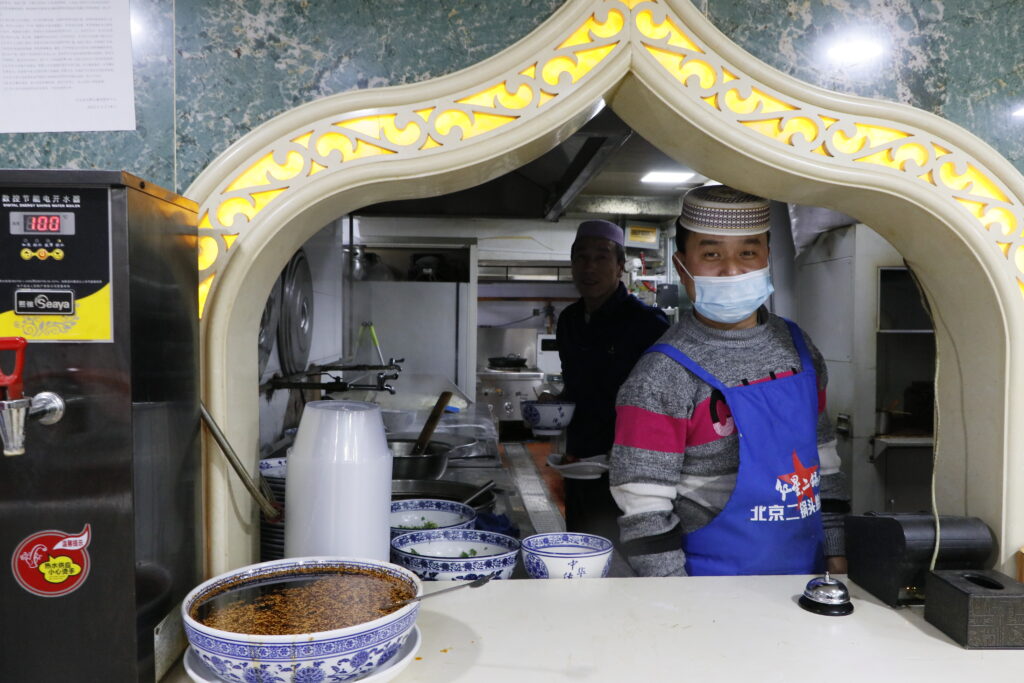
Food plays a central role in Ramadan in China. In Yunnan, rice noodles and beef dishes dominate the menu. The noodles are light, easy to digest and closely tied to the region’s culinary identity.
Daily routines shift noticeably. Early morning shopping becomes common as families prepare for the pre-dawn meal.
Shared Meals and Mosque Traditions
Families gather before sunrise for suhoor, the meal eaten before fasting begins. After a day of work and reflection, communities reunite at sunset for iftar.
In many areas, drum beating once marked the time for suhoor. Though less frequent today, the tradition continues in some neighborhoods.
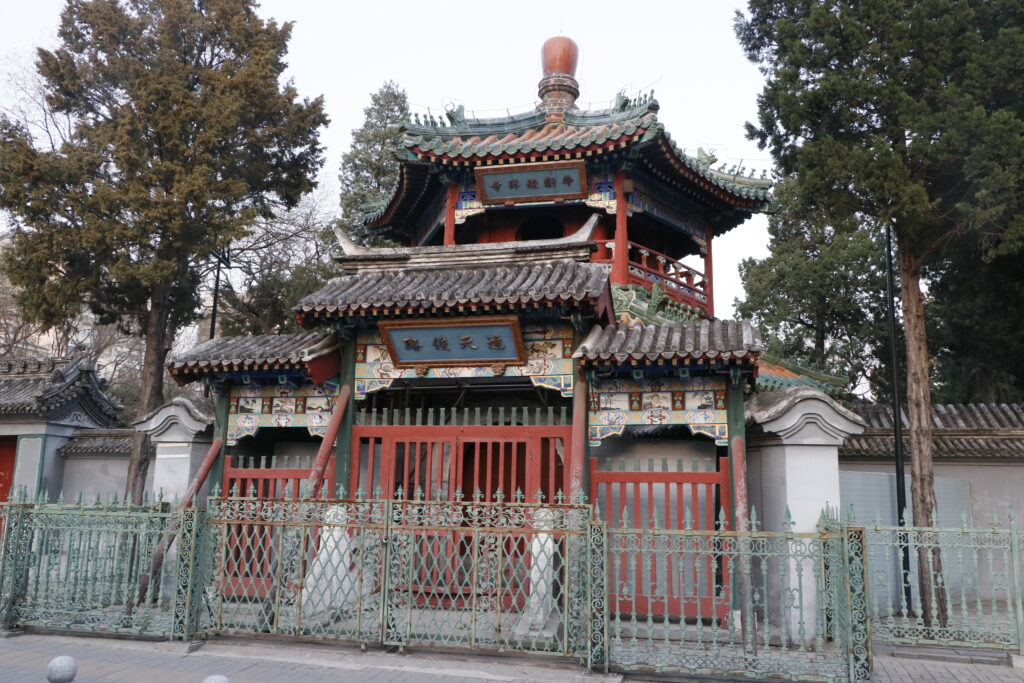
Mosques often organize collective iftars, strengthening the sense of unity. A bell or call signals the breaking of the fast, and worshippers gather to eat dates and drink tea before evening prayers.
The communal atmosphere defines Ramadan in China. Many residents describe childhood memories of early mornings, school days and evenings at the mosque as defining moments of the month.
Regional Flavors Across China
Ramadan foods vary widely across the country.
In northwestern China’s Qinghai province, traditional dishes include oil cakes, wheat soup and mixed meat and vegetable broths. Hand-held lamb, eaten without utensils, is another regional specialty.
Pre-dawn meals often consist of steamed bread known as mantou, stuffed with vegetables or meat, along with tea and cooked dishes designed to sustain the day’s fast.
For iftar, families commonly begin with boiled red dates cooked with sugar. Tea follows, then rice or noodles accompanied by meat and vegetables. Milk tea is a staple across many Muslim communities.
The diversity of food reflects centuries of Islamic presence in China. China has long been home to Muslim communities whose traditions have blended local customs with religious practice.
Deep Cultural Roots of Ramadan in China
Historians note that Islam has been part of China’s cultural landscape for centuries. In regions like Qinghai and Yunnan, Ramadan feels deeply rooted and communal.
Evenings at the mosque often become social gatherings where families share dates and sweets. Children sometimes receive small bags of treats, creating lasting memories tied to faith and celebration.
As the fasting month nears its end, preparations begin for Eid al-Fitr. Families visit elders, exchange greetings and celebrate together. Children may receive small monetary gifts as part of tradition.
Community, Generosity and Joy
Across Muslim communities, Ramadan in China carries a strong sense of togetherness. It is not only about fasting but about generosity, hospitality and remembrance.
Nearly every evening becomes an opportunity for shared meals. Dates passed around at the mosque and bowls of warm soup at home symbolize unity and gratitude.
From the drumbeats in Nagu town to bustling markets in Yunnan and the rich dishes of Qinghai, Ramadan in China remains a blend of faith and festivity.
For more news, please visit our Homepage





[…] China has consistently denied conducting such tests, several reports and statements from government […]