

 0
0
 0
0
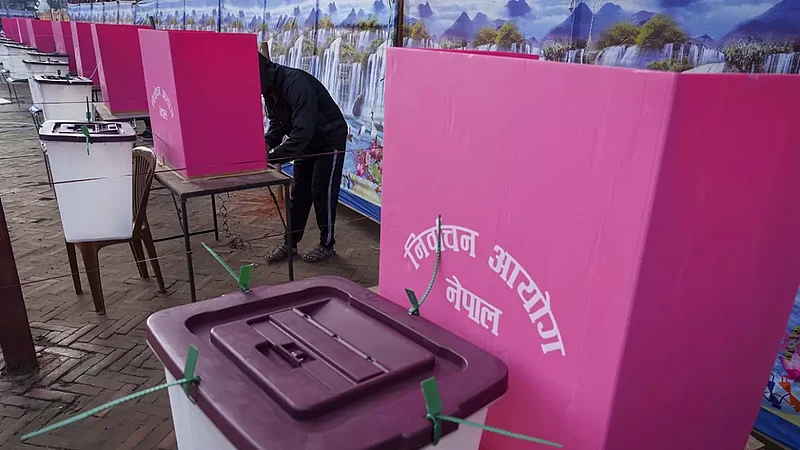
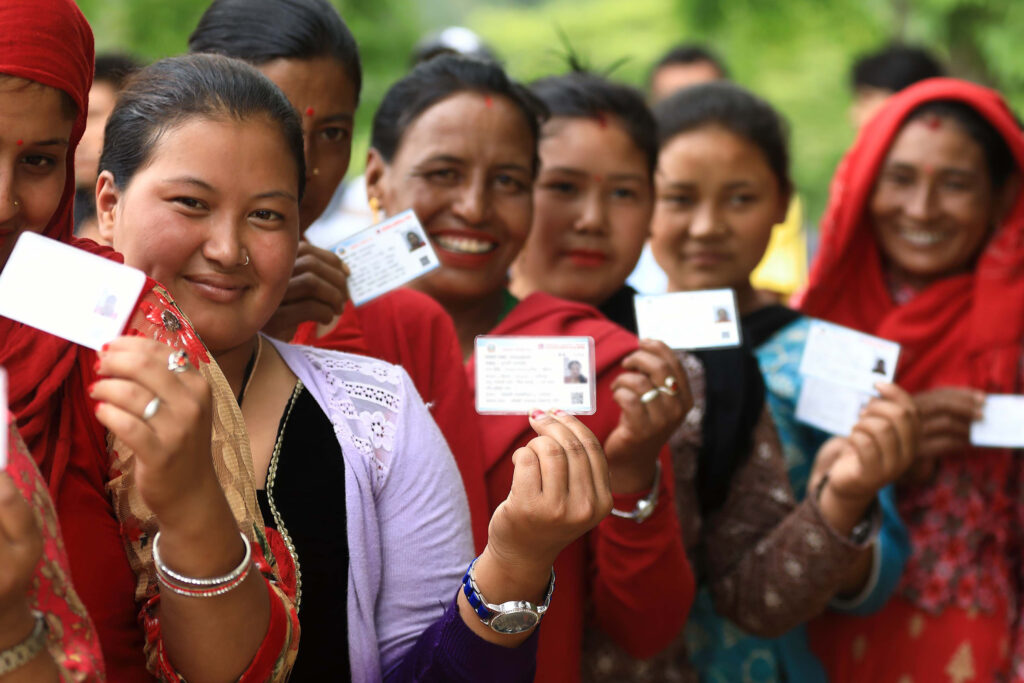
Nepal Election 2026 is fast approaching, and major political parties have unveiled their manifestos to guide voters on their vision for the country. The Communist Party of Nepal (Unified Marxist–Leninist, CPN-UML), Rastriya Swatantra Party (RSP), and Nepali Congress have outlined ambitious plans focusing on youth employment, constitutional reforms, sustainable infrastructure, and economic development ahead of the March 5 general elections.
CPN-UML Promises 1 Million Youth Jobs in Nepal Election 2026
The CPN-UML manifesto, led by former Prime Minister K P Sharma Oli, emphasizes building rather than destabilizing Nepal. The party has set a target to provide 1 million jobs for youths over five years, aiming to boost employment, industrial growth, and digital infrastructure.
Key priorities of the CPN-UML include:
-
Good governance and social justice initiatives.
-
Expansion of industrial areas to increase competitiveness.
-
Advanced farming practices and agricultural development.
-
Quality education and digital infrastructure.
The manifesto also lists 11 immediate tasks, 5 fundamental tasks, and 25 pledges to transform Nepal’s socio-economic landscape. The CPN-UML aims to leverage state institutions for sustainable development and inclusive governance.
Learn more about CPN-UML plans
RSP Advocates Constitutional Change and Electric Railways
The Rastriya Swatantra Party (RSP), led by Ravi Lamichhane, released its manifesto with 100-point commitments focusing on constitutional amendments for a directly elected executive, a fully proportionate parliament, and non-partisan local governance.
Highlights of the RSP manifesto for Nepal Election 2026 include:
-
Initiating energy trade agreements with India and Bangladesh.
-
Constructing an East-West electric railway to connect major cities.
-
Expanding online government services for efficient public administration.
-
Promoting digital economy for higher productivity and quality jobs.
The RSP emphasizes dynamic foreign policy, leveraging regional developments for national growth, and creating an accountable, professional civil service system.
Nepali Congress Prioritizes Sustainable Infrastructure and Growth
Nepali Congress, the largest democratic party in Nepal, released its manifesto under the slogan: “Sustainable Infrastructure, Strong Economy, Secure Future, Developed Nepal.” Party president and prime ministerial candidate Gagan Thapa highlighted priorities for economic growth, energy promotion, and improving living standards.
Key focus areas include:
-
Development of residential and urban infrastructure.
-
Expansion of connectivity projects across the country.
-
Energy sector promotion, particularly renewable energy sources.
-
Policies to improve quality of life and reduce socio-economic inequalities.
The Nepali Congress manifesto for Nepal Election 2026 aims to create a sustainable roadmap for long-term growth, addressing both urban and rural development.
Explore Nepali Congress manifesto details
Youth Employment and Digital Infrastructure
Youth employment is a major theme across Nepal Election 2026 manifestos. Both CPN-UML and RSP have committed to creating jobs and promoting entrepreneurship through industrial expansion and digital economy initiatives. RSP’s focus on online government services and digital infrastructure complements CPN-UML’s emphasis on technology-driven growth.
Investment in digital platforms will allow better governance and improve public service delivery, reflecting the changing demands of a younger, tech-savvy population.
Energy, Transport, and Connectivity Plans
The energy and transport sectors are central to Nepal Election 2026 development agendas. The RSP’s electric railway project aims to modernize transportation and connect Nepal with neighboring countries’ rail networks.
The Nepali Congress focuses on sustainable infrastructure that includes roads, urban planning, and renewable energy, aligning with national priorities for economic growth and environmental sustainability.
Governance and Political Reforms
The RSP’s push for constitutional amendments highlights the demand for a more representative and accountable government. Nepal Election 2026 debates will likely revolve around whether Nepal should transition to a directly elected executive system.
CPN-UML, while advocating stability, emphasizes disciplined labor, citizen-friendly housing, and expansion of industrial areas as part of governance reforms. Nepali Congress aims to improve urban and rural living standards, reinforcing good governance alongside economic development.
Learn more about Nepal governance reforms
International and Regional Relations
Both RSP and Nepali Congress highlight foreign policy as a tool for development. The RSP plans regional energy cooperation and trade agreements, while Nepali Congress focuses on improving cross-border connectivity and strengthening relations with India and China. These plans aim to harness geopolitics for domestic growth and energy security.
Public Expectations Ahead of Nepal Election 2026
With March 5 elections approaching, voters in Nepal are paying close attention to how parties plan to address employment, infrastructure, energy, and governance. Analysts suggest that the emphasis on digital infrastructure, youth jobs, and sustainable growth could shape voter decisions in the upcoming polls.
The manifestos reflect the diverse priorities of Nepal’s major political players, offering options for voters seeking economic development, good governance, and modernization of public services.
For more news, please visit our Homepage



[…] These developments have created ripple effects, especially for import-dependent countries like Nepal. […]