


 0
0
 0
0
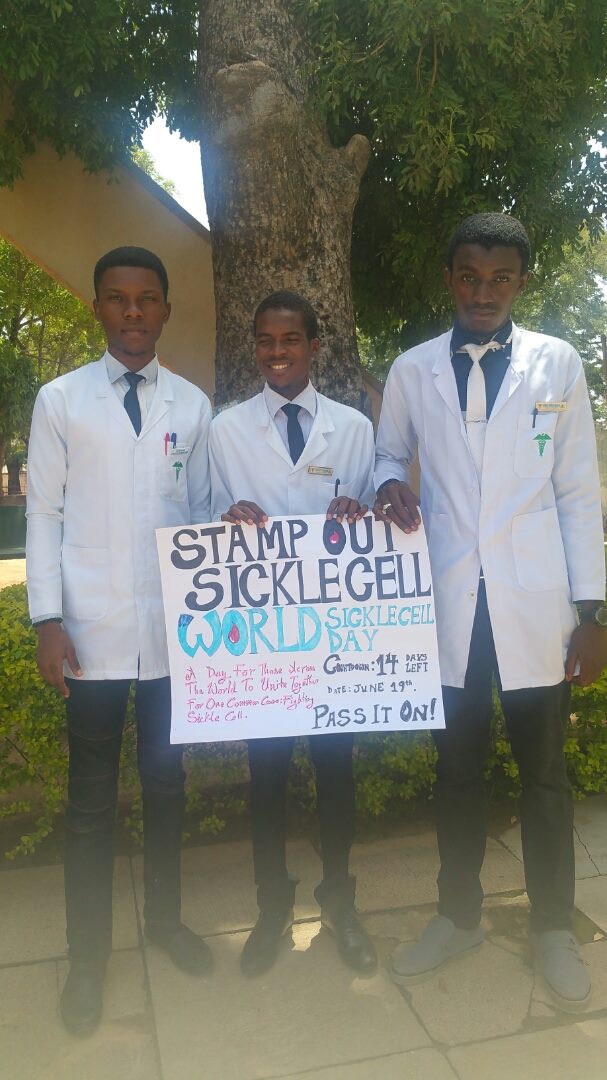
Genotype awareness drive activities took center stage at Trinity University in Sabo Yaba, Lagos, where health advocates and medical professionals educated students on genotype compatibility and sickle cell prevention before marriage.
The programme, titled Sickle Cell Alma Awareness Wednesday, was organised by the Gail Sickle Initiative in partnership with the university. The event focused on promoting informed health decisions among young people, particularly regarding genotype testing and its role in preventing sickle cell disease.
According to the News Agency of Nigeria, the initiative brought together health experts, counsellors, and advocates who shared insights on the medical, emotional, and social impact of sickle cell disease.
Genotype Awareness Drive Promotes Informed Marriage Decisions
The convener of the programme, Oluwafemi Ajayi, explained that the genotype awareness drive was designed to educate students about the importance of genotype compatibility before marriage. He noted that understanding genetic compatibility can help prevent avoidable health complications and emotional stress for families.
Ajayi described the initiative as a way of giving back to society by promoting sickle cell awareness at his alma mater. He encouraged individuals living with sickle cell conditions to maintain self confidence and embrace their identity.
Health experts at the event stressed that early awareness allows individuals to make informed life choices and reduces the likelihood of children inheriting severe genetic conditions.
Guidance and Counselling for Students
The university chaplain and counsellor, Bisi Otitoola, praised the organisers for providing practical guidance for students preparing for future relationships and family life. She noted that the programme served as an important platform for discussing health issues that are often overlooked by young people.
According to her, educational programmes such as the genotype awareness drive help students understand the long term implications of genetic health decisions and encourage responsible planning.
Participants also received counselling on emotional well being and social support for individuals affected by sickle cell disease.
Advocacy Against Myths and Misconceptions
Annette Akinsete, national director of the Sickle Cell Foundation Nigeria, called for sustained advocacy to eliminate misconceptions surrounding sickle cell disease.
She highlighted the need to dispel myths that associate the condition with spiritual beliefs such as Ogbanje. According to her, such misconceptions contribute to stigma and discourage people from seeking proper medical care.
Akinsete also urged medical laboratories to ensure accurate genotype testing and called for stronger government regulation to maintain testing standards. She further advocated legislative support for free treatment, noting that improved policies could ease the financial burden on patients and their families.

Medical Experts Highlight Long Term Health Effects
Medical professionals at the event emphasised the importance of evidence based healthcare practices in managing sickle cell disease.
Benjamin Adegunle of the Lagos University Teaching Hospital explained that the condition can have significant long term health effects if not properly managed. He encouraged patients and families to follow medical advice and seek professional care to reduce complications.
Health practitioners also stressed the importance of routine medical monitoring, proper treatment plans, and continued awareness campaigns to improve outcomes for individuals living with the condition.
Addressing Stigma and Mental Health Concerns
The programme also addressed the psychological and social impact of sickle cell disease. Ante Bassey of Isolo General Hospital warned that stigma and discrimination against people living with the condition could lead to depression, social isolation, and other mental health challenges.
He urged communities to show support and understanding for affected individuals while promoting inclusive attitudes. Experts at the event noted that reducing stigma can improve quality of life and encourage patients to seek timely treatment.
Importance of Continued Public Health Education
The genotype awareness drive reflects growing efforts to improve public understanding of genetic health issues in Nigeria. Health advocates emphasised that continued education and awareness programmes remain essential for reducing the prevalence of sickle cell disease.
Stakeholders called for stronger collaboration among educational institutions, healthcare providers, and policymakers to expand access to genotype testing and treatment services.
They also highlighted the importance of integrating genetic education into school programmes to ensure that young people have the knowledge needed to make responsible health decisions.
Growing Focus on Preventive Healthcare
The event at Trinity University demonstrates an increasing focus on preventive healthcare through education and advocacy. By promoting genotype awareness, organisers aim to empower students with knowledge that can help reduce the long term impact of sickle cell disease in society.
Experts at the programme concluded that sustained awareness campaigns, improved healthcare policies, and community support systems are essential to addressing the challenges associated with sickle cell disease and promoting healthier future generations.
For More news, please visit our homepage



[…] What faculties are available at Margaret Lawrence University? […]