
 0
0
 0
0
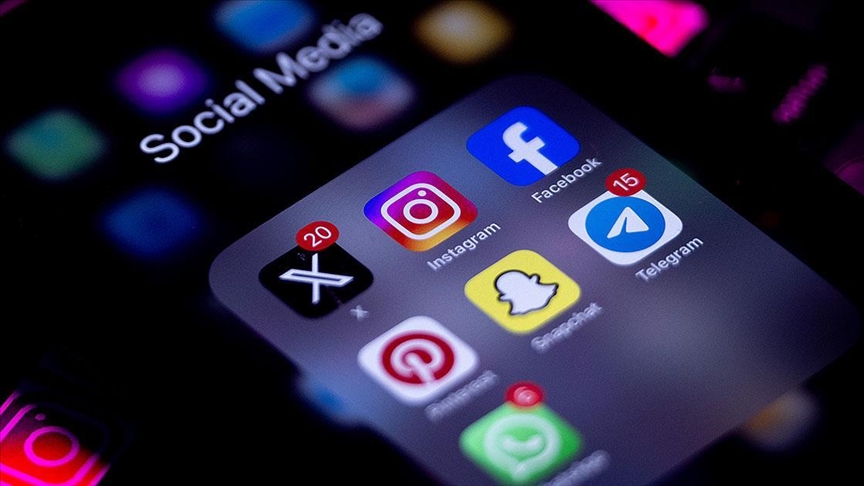
Germany social media ban for minors is currently under serious consideration as lawmakers debate stricter age restrictions aimed at protecting children and teenagers from harmful online content. The proposal reflects growing concern over digital safety, mental health risks, and data privacy issues linked to social media platforms.
German officials are exploring whether to impose a minimum age requirement for social media access and introduce stricter age verification systems for technology companies operating in the country.
Why Germany Is Considering a Social Media Ban
The debate over a Germany social media ban for minors centers on increasing evidence that young users face risks online. Lawmakers and child protection advocates argue that children and teenagers are especially vulnerable to:
-
Harmful or inappropriate content
-
Cyberbullying and online harassment
-
Addictive platform features
-
Data exploitation and privacy concerns
-
Mental health pressures linked to social comparison
Family Affairs Minister Lisa Paus emphasized the need for stronger protections, stating that digital platforms must take greater responsibility for safeguarding young users. Officials have pointed to rising reports of anxiety and depression among adolescents as part of the broader concern.
Germany’s Federal Ministry for Family Affairs has indicated that the government is reviewing policy options before drafting any formal legislation.
For more on Germany’s digital policy framework, see the Federal Ministry for Family Affairs official website:
https://www.bmfsfj.de
Proposed Measures Under Discussion
The Germany social media ban for minors proposal does not yet constitute finalized legislation. However, discussions include:
-
Establishing a clear minimum age for social media use
-
Mandatory parental consent for underage users
-
Stronger age verification mechanisms
-
Greater accountability for large technology companies
-
Stricter penalties for non compliance
One major issue under consideration is how to enforce age verification without violating user privacy. Technology companies have previously argued that collecting more identity data could create new security risks.
Regulation may also align with broader European digital laws such as the Digital Services Act, which strengthens oversight of major online platforms across the European Union. Details on the Digital Services Act can be found at the European Commission website:
https://digital-strategy.ec.europa.eu
European Context and Regional Trends
Germany is not acting alone in exploring tighter digital controls. Several European countries have introduced or proposed similar measures.
France has already implemented a system requiring parental consent for social media users under the age of 15. French authorities argue that stricter age controls are necessary to protect minors from harmful digital exposure.
At the European Union level, lawmakers have increased pressure on major platforms to moderate harmful content more effectively. The Digital Services Act imposes stricter responsibilities on large online companies to address illegal content and protect users.
The broader European approach reflects growing political momentum toward regulating technology platforms more aggressively.

Concerns Raised by Technology Companies
While child protection groups support stronger safeguards, technology companies have raised practical and legal concerns regarding a Germany social media ban for minors.
Industry representatives argue that:
-
Age verification systems can be difficult to implement accurately
-
Stricter controls may compromise user privacy
-
Enforcement across borders presents logistical challenges
-
Bans may push minors toward unregulated or underground platforms
Some experts suggest that digital literacy education and parental involvement may be more effective than outright bans.
Technology companies operating within the European Union must already comply with the General Data Protection Regulation. More information about GDPR standards is available here:
https://gdpr-info.eu
Mental Health and Online Safety Debate
Mental health concerns are central to the Germany social media ban for minors discussion. Researchers across Europe have examined potential links between excessive social media use and psychological stress among adolescents.
Concerns frequently cited include:
-
Exposure to unrealistic body images
-
Social comparison pressure
-
Online harassment
-
Sleep disruption
-
Algorithm driven content amplification
However, some experts caution that social media also offers positive benefits, including communication, community building, and access to information. Policymakers are therefore balancing safety concerns with digital participation rights.
What Happens Next
The German government has announced plans to consult stakeholders before moving forward with legislation. These consultations will likely involve:
-
Educators
-
Parents’ associations
-
Child protection advocates
-
Technology companies
-
Legal experts
The outcome of these consultations will determine whether Germany proceeds with a full social media ban for minors or opts for stricter age restrictions and regulatory reforms instead.
Any new law would need to align with European Union digital regulations and constitutional protections related to freedom of expression and privacy.
Broader Implications
If implemented, a Germany social media ban for minors could significantly influence digital policy across Europe. Germany is one of the European Union’s largest economies, and its regulatory decisions often shape regional trends.
A formal ban or strict age enforcement could:
-
Increase compliance costs for tech companies
-
Set new standards for child online protection
-
Encourage similar legislation in neighboring countries
-
Spark legal challenges related to enforcement
As discussions continue, the debate reflects a broader question facing governments worldwide: how to balance digital freedom with youth protection in an increasingly connected society.
For more news, please visit our Homepage