 0
0
 0
0
Libya national products support is gaining attention following a meeting between the Ministry of Planning and the Libyan Industry Union to strengthen local manufacturing, stabilize commodity prices, and improve economic development.
The discussions focused on encouraging the use of nationally manufactured goods, supporting local factories, and addressing supply challenges affecting essential commodities. The meeting took place in Tripoli amid concerns about rising prices, shortages of basic goods, and efforts to protect the country’s foreign currency reserves.
Government Push for Libya National Products Support
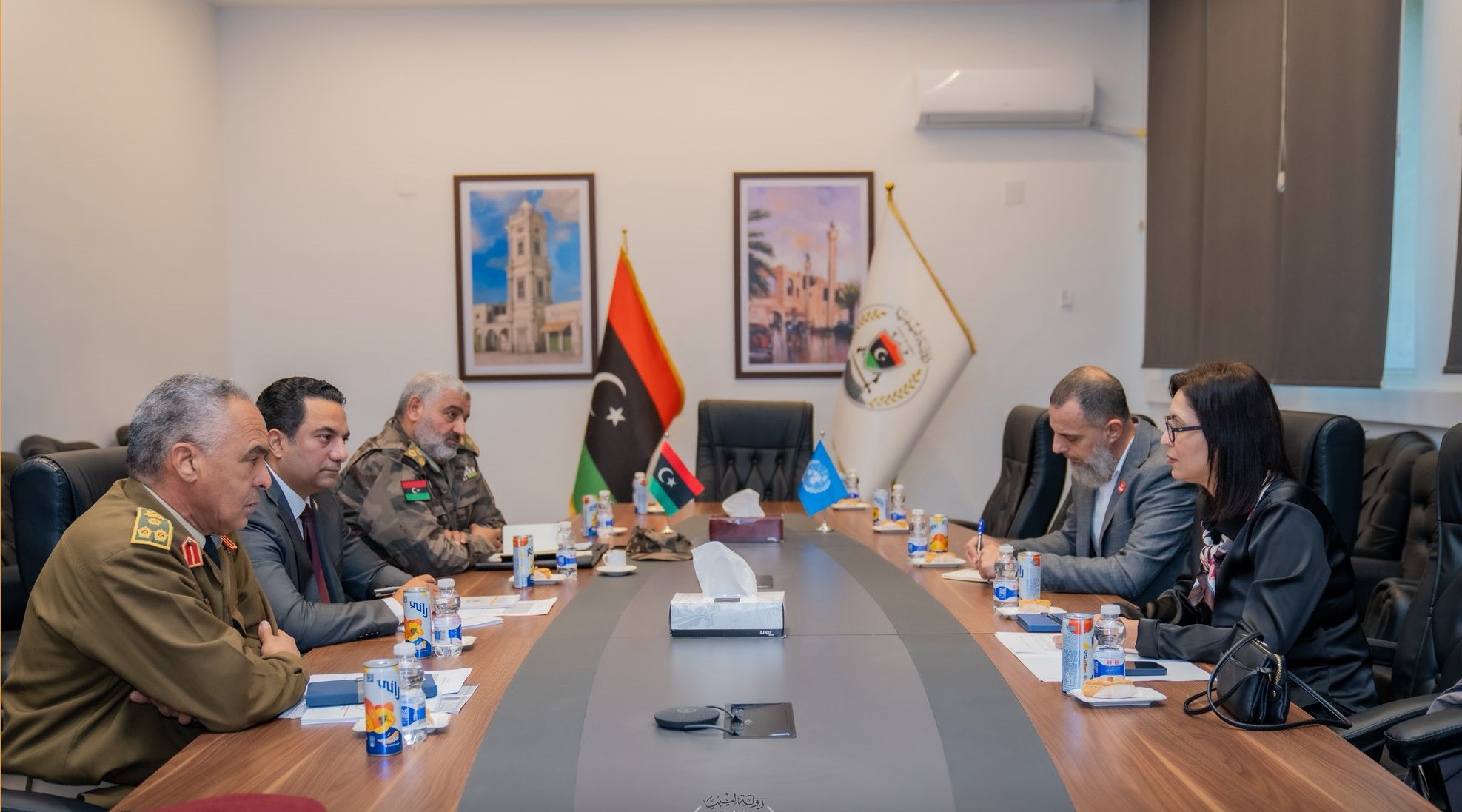
The Minister of Planning, Mohamed Al-Zaidani, met with the Executive Director of the Libyan Industry Union to discuss policies aimed at promoting locally manufactured products that meet approved specifications and quality standards.
The initiative seeks to ensure that national products contribute to development programs and participate in major government initiatives such as the Return to Life projects. Officials also reviewed plans requiring government institutions to prioritize local products when awarding contracts.
This policy aims to increase domestic production, strengthen national industries, and reduce reliance on imports. Authorities believe that expanding local manufacturing will create employment opportunities and support economic growth.
Foreign Currency Allocation for Local Factories
Another major topic discussed was the allocation of foreign currency through Letters of Credit for importing raw materials. Ensuring steady access to foreign exchange for manufacturers is considered essential to maintaining production levels.
Officials emphasized the need for a smooth and regulated process that allows local factories to obtain necessary materials without delays. By supporting industrial operations, authorities hope to improve supply chains and prevent shortages of key products.
These measures are also part of broader efforts to protect Libya’s hard currency reserves and regulate the import sector.
Joint Committee to Coordinate Development Efforts
To improve coordination, participants agreed to establish a joint committee involving the Ministry of Planning, the Libyan Industry Union, and other relevant institutions connected to development initiatives.
The committee will serve an advisory and technical role, focusing on:
-
Coordinating development activities
-
Resolving administrative and technical challenges
-
Facilitating communication between stakeholders
-
Supporting implementation of national projects
The committee is expected to help remove obstacles affecting industrial productivity and ensure efficient execution of development programs.
Addressing Commodity Shortages and Price Increases
The meeting follows recent discussions between manufacturers, importers, and the Central Bank of Libya aimed at improving the supply of essential commodities.
Authorities reached an agreement to facilitate the urgent delivery of large quantities of cooking oil to the domestic market. The goal is to stabilize supply and reduce rising prices, particularly as demand for essential goods increases.
Officials believe that improving the availability of basic commodities will help ease pressure on consumers and strengthen purchasing power.
Broader Efforts to Combat Economic Challenges
The government’s push for Libya national products support is part of a wider strategy involving multiple institutions. Authorities are working to address several economic concerns, including:
-
Price fixing and monopolistic practices
-
Misuse of Letters of Credit
-
Imported inflation
-
Commodity shortages
-
Pressure on the national currency
Various agencies, including customs authorities, law enforcement bodies, and financial regulators, are collaborating to ensure fair market practices and protect consumer welfare.
These actions also aim to reduce demand for foreign currency in parallel markets and support the value of the Libyan dinar.
Economic Protection and Market Regulation Measures
Additional regulatory steps have been introduced to enhance market stability. Authorities have taken actions such as monitoring imports, controlling pricing practices, and enforcing regulations on companies that fail to meet supply obligations.
Efforts also include preventing businesses from setting commodity prices based on unofficial exchange rates and encouraging the use of official banking channels for imports.
These measures are designed to maintain economic stability, protect consumers, and strengthen confidence in the national economy.

Impact of Libya National Products Support on Employment and Growth
The emphasis on local manufacturing is expected to generate wider economic benefits. By supporting national industries, the government hopes to create job opportunities, promote skill development, and enhance productivity.
Authorities also highlighted the importance of developing sectors linked to the green and blue economy, which could further expand employment opportunities while supporting sustainable growth.
Strengthening domestic production is seen as a long term strategy to diversify the economy and reduce dependence on imports.
Conclusion
The initiative on Libya national products support reflects the government’s commitment to strengthening local industries and improving economic resilience. Through collaboration between public institutions and private sector organizations, authorities aim to stabilize markets, enhance production capacity, and address ongoing supply challenges.
The formation of a joint committee, improved access to foreign currency for manufacturers, and stronger market regulation are expected to support sustainable economic development in Libya. These measures signal continued efforts to protect consumers, encourage local production, and promote long term economic stability.
For More news, please visit our homepage