 0
0
 0
0
Electoral Act debate Nigeria entered a critical phase on Tuesday as the Nigerian Senate formally began deliberations on a motion to rescind and amend its earlier resolutions on the Electoral Act Repeal and Re Enactment Bill 2026. The reconsideration follows growing concerns that the proposed date for the 2027 general elections may coincide with the Muslim fasting period of Ramadan.
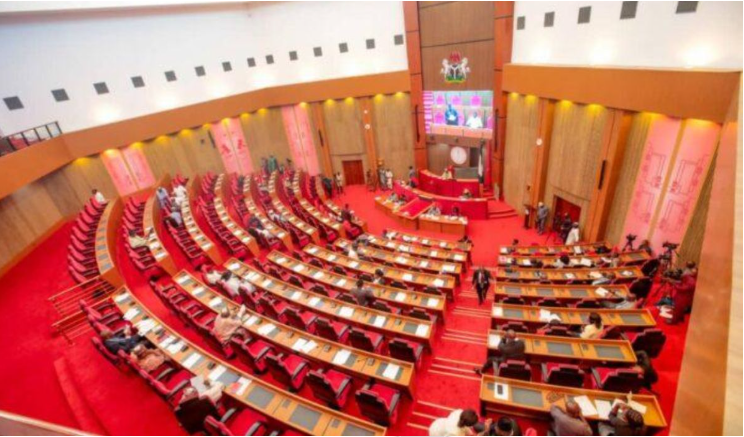
The debate took place during plenary proceedings presided over by Godswill Akpabio, signaling a significant legislative move that could reshape Nigeria’s electoral timetable ahead of the next general polls.
Senate Moves to Reverse Earlier Decision
The motion before the Senate seeks to reverse resolutions adopted on February 10 2026, when the Electoral Act Bill was passed. Lawmakers are now proposing that the legislation be recommitted to the Committee of the Whole for further review and amendment.
The motion titled Rescission and Re Committal of the Electoral Act 2022 Repeal and Enactment Bill 2026 aims to correct issues discovered after the Bill’s passage. According to the Senate Order Paper, a closer examination of the law revealed that Clause 28 could result in the scheduling of presidential and National Assembly elections during Ramadan in 2027.
Ramadan Clash Raises Inclusiveness and Logistics Concerns
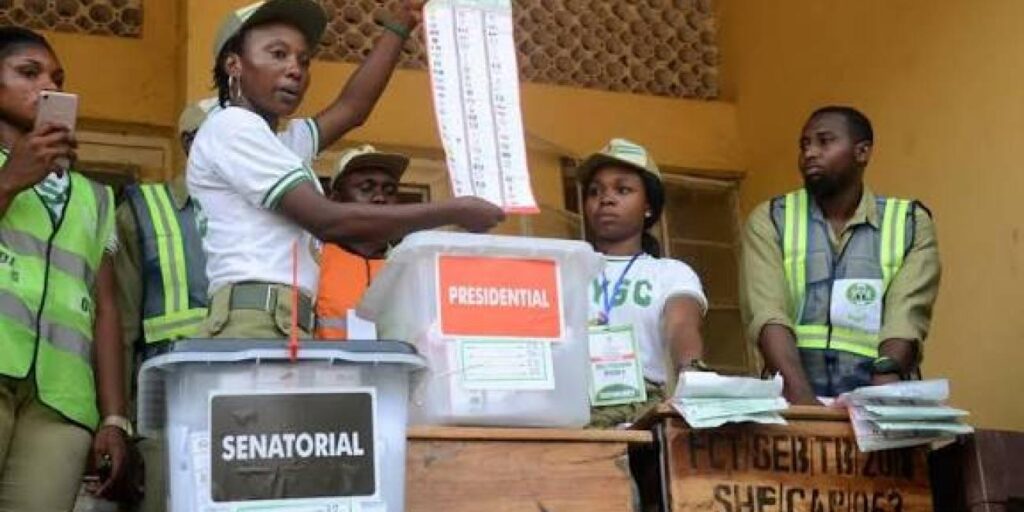
One of the major drivers of the debate is the potential clash between election activities and Ramadan. Senators expressed concern that conducting nationwide elections during the fasting period could negatively affect voter turnout, logistics, security deployment, and the overall inclusiveness of the electoral process.
Lawmakers noted that elections held during Ramadan may place additional physical and logistical strain on voters, electoral officials, and security personnel, particularly in regions with large Muslim populations.
Proposed Shift in 2027 Election Date
To address the concern, the Senate is considering a shift in the proposed election date from February 20 to February 13 2027. The adjustment is intended to ensure that the elections are conducted before the commencement of Ramadan, thereby avoiding potential disruptions.
The Senate reconvened from budget defense sessions to address what it described as inconsistencies and unintended consequences within the Bill, reinforcing the urgency of the current debate.
Multiple Clauses Flagged for Technical Errors
Beyond the election date issue, senators identified errors in several clauses of the Electoral Act Bill. These include Clauses 1(d), 10, 22, 23, 28, 29, 32, 42, 47, 51, 60, 62, 64, 65, 73, 77, 86, 87, 89, 93, and 143.
The flagged issues range from cross referencing mistakes and numbering gaps to internal inconsistencies that could affect legal clarity and implementation if left uncorrected.
A Technical Committee made up of leadership from both legislative chambers, relevant committee chairpersons, Clerks of the National Assembly, and legal experts reportedly met earlier to harmonize and resolve the identified anomalies.
Electronic Transmission of Results Remains Contentious
Another major aspect revolves around Clause 60(3), which addresses the electronic transmission of election results.
While the House of Representatives version of the Bill reportedly mandates electronic transmission, the Senate adopted a more cautious position. Senators cited uneven telecommunications coverage, infrastructural limitations, and security concerns in parts of the country as reasons for their approach.
This disagreement previously stalled harmonization efforts between both chambers after members of the House failed to attend a joint conference committee meeting, further heightening legislative tensions.
Senate Cites Need for Credible Electoral Framework
Relying on relevant provisions of its Standing Orders, the Senate maintained that rescinding and recommitting the Bill is necessary to ensure that Nigeria’s electoral framework promotes fairness, inclusivity, administrative efficiency, and public confidence.
With debates now underway, the outcome of the proceedings is expected to play a decisive role in shaping the legal and operational foundation for Nigeria’s 2027 general elections.
Visit Blaqloaded for more