

 0
0
 0
0
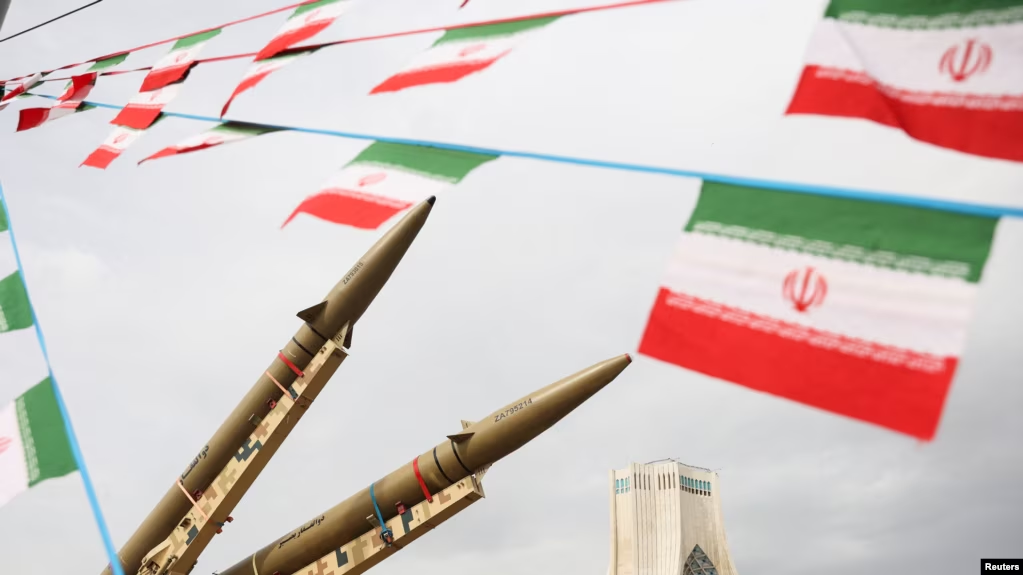
Iran nuclear talks resume in Geneva at a critical moment for global diplomacy, with China’s economic and strategic support for Tehran now under intense international focus. As negotiations restart, attention is shifting toward Beijing’s role in sustaining Iran’s economy through oil purchases and technology cooperation.
The discussions are taking place in Geneva, where diplomats are attempting to ease tensions surrounding Iran’s nuclear program. The renewed talks come amid reports that the United States is considering further measures targeting Iranian oil exports, particularly those directed toward China.
China’s Central Role in Iran’s Economy
China has become Iran’s largest trading partner in recent years. More than 80 percent of Iran’s oil exports reportedly flow to Chinese buyers, making Beijing a key economic lifeline for Tehran.
According to reporting by Radio Free Europe/Radio Liberty, United States officials are weighing options that could reduce Iranian crude sales to China. A report cited by Axios stated that President Donald Trump and Israeli Prime Minister Benjamin Netanyahu discussed increasing pressure on Tehran by limiting these exports.
If implemented, such measures could significantly affect Iran’s state revenue and influence the direction of the renewed negotiations.
Oil Exports and Sanctions Pressure
Oil revenue remains a core pillar of Iran’s economy. United States sanctions aimed at limiting Tehran’s nuclear activities have restricted access to many global markets. However, discounted crude sales to China have helped offset some of these economic pressures.
Earlier this month, President Trump signed an executive order allowing for expanded economic restrictions related to Iran. Analysts suggest that targeting Chinese entities involved in oil purchases could mark a major shift in enforcement strategy.
China’s Foreign Ministry responded by stating that normal cooperation conducted within international law should be respected. The statement reflects Beijing’s cautious diplomatic approach as the talks resume.
Background on the Nuclear Agreement
The renewed discussions are linked to efforts surrounding the Joint Comprehensive Plan of Action, the 2015 agreement designed to limit Iran’s nuclear activities in exchange for sanctions relief. Although the agreement has faced challenges over the years, diplomatic channels remain open.
As Iran nuclear talks resume, negotiators are focused on de escalation, compliance measures, and potential economic incentives. The involvement of global powers makes the outcome significant not only for the Middle East but also for international energy markets.
Technology Cooperation and Digital Infrastructure
Beyond oil exports, China’s support extends into telecommunications and surveillance technology. A recent report by the human rights organization Article 19 highlights growing cooperation between Chinese firms and Iranian authorities.
Companies such as Huawei and ZTE have supplied infrastructure and technical equipment over the years. These partnerships have contributed to Iran’s National Information Network, a state controlled digital framework designed to manage domestic internet access.
Observers say that technology transfers are an important part of the broader China Iran relationship. However, Beijing has maintained a careful public stance, emphasizing stability and lawful trade practices.
For more political News, Visit https://blaqloaded.com/category/politics/
Regional and Strategic Considerations
Iran’s integration into regional blocs has also strengthened ties with China. Tehran joined the Shanghai Cooperation Organization in 2023 with Beijing’s support. This membership expanded cooperation in security and trade matters.
At the same time, analysts at the Brookings Institution have described the partnership as pragmatic rather than ideological. China’s priorities include maintaining regional stability and ensuring steady access to energy supplies.
Also, these broader geopolitical dynamics play a crucial role. Any shift in US policy toward Chinese oil purchases could have ripple effects across diplomatic, economic, and security sectors.
What to Watch as Talks Continue
The coming weeks may determine whether negotiations lead to concrete agreements or further tensions. Key factors include potential sanctions enforcement, China’s response to external pressure, and Iran’s willingness to adjust its nuclear commitments.
For now, it resume with cautious optimism but significant uncertainty. China’s involvement remains central, not only because of energy trade but also due to its growing strategic partnership with Tehran.
The outcome of these discussions could influence global oil markets, regional stability, and the broader balance of power among major world economies.



[…] Why the Iran Conflict Matters to China […]